Extension educators in New York City are changing the way that people at mosques, senior centers and soup kitchens eat by giving free nutrition workshops and sidewalk education.
With the CU-ADVANCE Center's five-year grant period drawn to a close, its leaders point to the many ways its goals have been met, but also what more needs to be done.
In discussing the politics and science of calories Feb. 20 as the inaugural Wolitzer Nutrition Seminar speaker, nutrition expert Marion Nestle urged consumers to get more political about their food. (Feb. 21, 2012)
Marcia Stofman Morton '61 has announced she will leave a $1 million bequest to Cornell's College of Agriculture and Life Sciences; most of it will benefit agricultural sciences. (Feb. 20, 2012)
Ravi Singh, a Cornell adjunct professor, said how wheat varieties are being developed rapidly to combat a global threat at the American Association for the Advancement of Science meeting, Feb. 16-20.
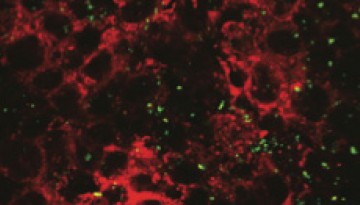
Billions of engineered nanoparticles in foods and pharmaceuticals are ingested by humans daily, and new Cornell research warns they may be more harmful to health than previously thought. (Feb. 16, 2012)
Collaborators on the Cornell Gleaning Project are discovering ways to help farmers efficiently harness the leftover crops that they don't sell to donate to food banks.