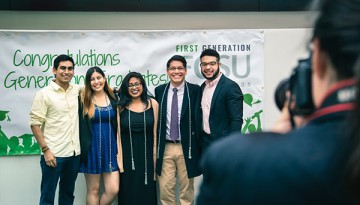
Cornell's commitment to accessibility means new and increased efforts to support first-generation students. Throughout Cornell’s history, many of its students have been the first generation in their families to earn a baccalaureate degree.
As inequality continues to grow in the United States, a national conference at Cornell Oct. 25-26 shined the spotlight on creating equality of opportunity for children.
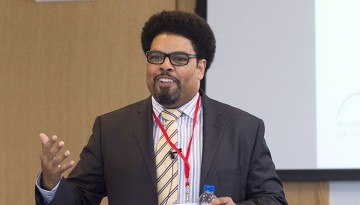
Sam Quinones, a former reporter for the Los Angeles Times known for covering immigration, drug trafficking and gang violence, will speak on the origins and impacts of the opioid epidemic Wednesday, Nov. 7, in Call Auditorium.
New proposed research by Kelly Musick, professor of policy analysis and management, has been awarded $1 million to study trends in couples' work after they have children.
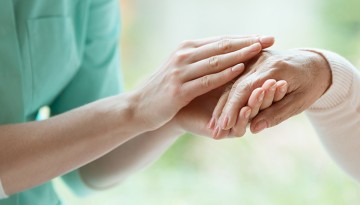
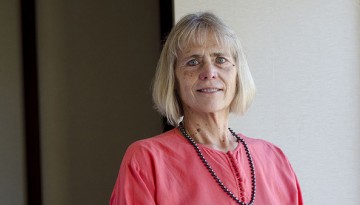
New research by Karl Pillemer, the Hazel E. Reed Professor in the Department of Human Development, has demonstrated an effective approach to reduce staff-family conflict in assisted living facilities.
Cornell’s mobile communication lab, one of a handful in the country, is changing the face social sciences research. It enables scholars to study the socio-economic, racial and geographic groups hardest hit by society’s problems.
The Residential Child Care Project at the Bronfenbrenner Center received a $2.8M grant to improve the quality of care for children living in group care settings.