David Robertshaw, professor emeritus of physiology and an expert on water metabolism and temperature regulation in desert-adapted mammals, died Nov. 8 in Ithaca. He was 85.
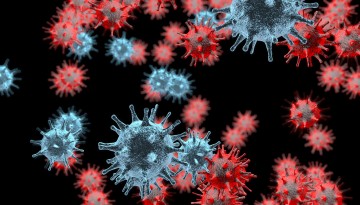
Researchers at the Baker Institute for Animal Health have identified a new mechanism that plays a role in controlling how the herpes virus alternates between dormant and active stages of infection.
A $4.2 million project at Cornell focused on 100 Alaskan sled dogs, former athletes past their glory days, is part of a quest for one of the holy grails of medicine: how to slow aging.
A universal influenza vaccine developed with the potential to be longer lasting and more effective than commercially available vaccines is destined for human clinical trials, thanks to a $17.9 million grant from the National Institute of Allergy and Infectious Diseases.
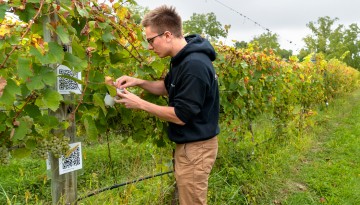
A Cornell doctoral student is deploying new satellite technology that may be used for space research in the future and help New York farmers make more informed decisions today about growing crops and caring for animals.
From food waste reduction to secrets found in medical imaging data, Elena Belavina, Charles Danko, Leslie Lok and Mert Sabuncu bring their expertise to Cornell.
With a pinch of pomp and circumstance, Cornell’s McGovern Center life sciences business incubator recently graduated two companies – Bactana Corp. and Conamix.
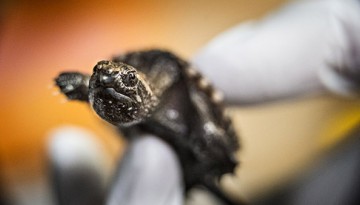
Between May and July, the Janet L. Swanson Wildlife Hospital at the Cornell College of Veterinary Medicine rescued approximately 150 eggs from pregnant turtles that were either injured or killed while crossing roads.
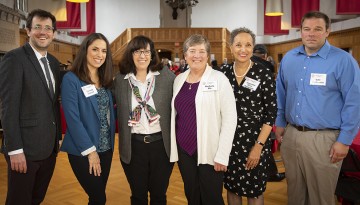
The first six recipients of the Cornell New York State Hometown Alumni Award were honored at a special recognition ceremony Oct. 4 during Homecoming Weekend.