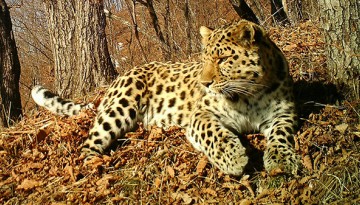
Host-microbe institute poised to expand

The launch of its Undergraduate Research Experience proved to be a highlight of the Cornell Institute of Host-Microbe Interactions' inaugural year.

What makes us human isn't just our genes, but how we regulate them

A new study proves what scientists have long suspected: what makes us human isn’t just our genes, but how we regulate them.

Hackathon inspires solutions for animal health - and sticky dog poop

A spray that prevents feces from clumping on long-haired dogs won the 2018 Cornell Animal Health Hackathon, co-hosted by the College of Veterinary Medicine and Entrepreneurship at Cornell.

Collateral damage: Man-made toxins threaten raptors

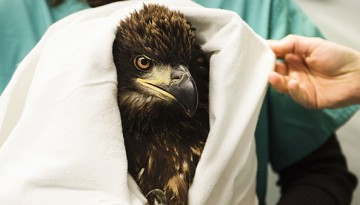
Two local raptors made unexpected recoveries this month after exposure to common and deadly manmade toxins: lead and rodenticide.

Research probes key protein's role in cancer cell growth

The regulation and function of the oncogene RAS and two related proteins, K-Ras4a and K-Ras4b, are explored in a pair of recent papers from the lab of chemistry professor Hening Lin. 

Annual Schwartz awards given to two life scientists

Two female researchers, an epidemiologist and a bacteriologist, both at the College of Veterinary Medicine, have received awards for their cutting-edge research.

Equine stem cells rein in bacteria

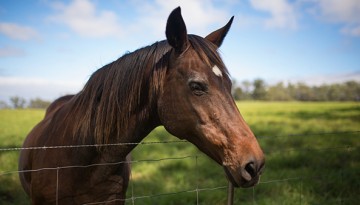
Researchers are exploring use of stem cells to treat skin wounds in horses with techniques that may translate to human patients.

Researchers uncover cause of mysterious mass death of saiga antelopes

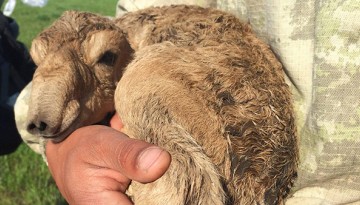
The 2015 sudden death of more than 200,000 saiga antelopes was likely due to environmental factors triggering a deadly bacterium, according to new research from the College of Veterinary Medicine.
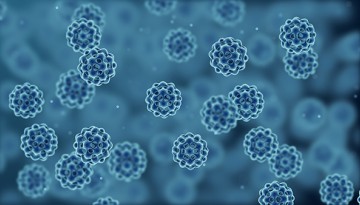
Critically endangered Amur leopard faces new threat

A new Cornell paper in the Journal of Wildlife Diseases describes the first documented case of canine distemper virus in a wild Amur leopard.