A collaboration between Cornell and r4 Technologies will develop and apply artificial intelligence solutions to structural challenges that have hindered growth and modernization, and will train a new generation of students to thrive in a data-driven world.
Robots that sense and adjust their position relative to their surroundings is the subject of the latest work from Rob Shepherd, associate professor of mechanical and aerospace engineering.
The Office of the Provost has announced five winners of the inaugural Provost Research Excellence Awards, which recognize leadership and innovation in scholarly research.
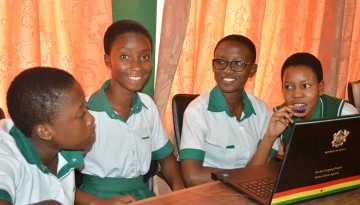
A team of students and faculty has organized a coding program to inspire interest in computer science among high schoolers in Ghana, where students must choose majors before they enter university and can’t switch once they’re enrolled.
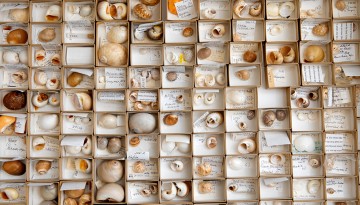
Cornell’s Malacology Collection will get new life online when it is donated to the Paleontological Research Institution, which plans to digitize it and make it available to researchers around the world.
Twenty-six Cornell graduate students have won more than $42,000 in fall 2018 Research Travel Grants, which provide students up to $2,000 to conduct thesis or dissertation research.
After cruising for 205 days over 301 million miles, NASA’s InSight spacecraft – to probe beneath the surface of Mars – landed flawlessly Nov. 26. Cornell’s Don Banfield felt earthly relief.
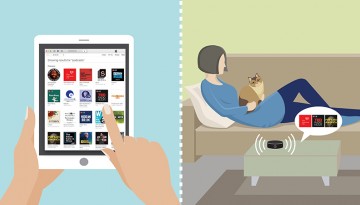
People explore less when they get recommendations from voice-based platforms such as Amazon’s Alexa or Apple’s Siri, making it more likely that they’ll hear options chosen by an algorithm than those they might actually prefer.