Registration is now open for Cornell University’s online Winter Session. Classes run Jan. 4–22, giving students the opportunity to explore an interest, fulfill a requirement, or earn credits before the spring semester.
An experimental opioid painkiller designed to be reversibly switched on and off with different light frequencies may eliminate the dangerous side effects of current opioids, according to a study co-led by Weill Cornell medicine researchers.
Parents of children with mental health problems may experience stigma when the ideals that matter most to being considered a “good parent” are perceived as not being met, according to research co-led by Weill Cornell Medicine.
Researchers designed a new, faster form of two-photon fluorescence imaging for observing cell metabolism in real time, a method that could enable quicker screening of new therapeutic treatments.
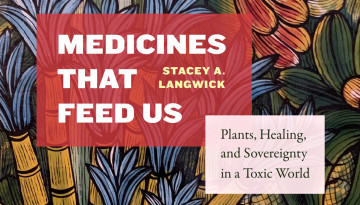
In a new book, anthropologist Stacey Langwick explores plant-based healing and sustainable farming practices in Tanzania that treat bodies and lands as inseparable.
A new engineered gene editing system addresses some of the limitations of current gene editing tools with the hope of improving their use for research, for better crops or to treat diseases.
A new book, “Your Immune System,” written by Gary Koretzky ’78, vice provost for research and a professor emeritus of medicine at Weill Cornell Medicine, aims to demystify immunology for laypeople.
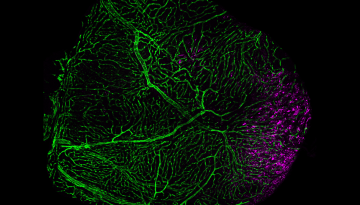
Researchers at Weill Cornell Medicine, working with zebrafish, have discovered a new cell type that may help regulate blood vessel growth in the heart during development and in response to injury.