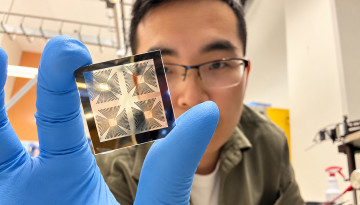
Set within a 3-millimeter area on a chip, the new device produces hydrogen gas bubbles on a grid of electrodes, then powers the bubbles up with acoustic energy through ultrasound.
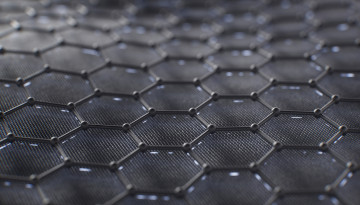
Researchers at the Cornell Duffield College of Engineering have found that electrically sliding the layers of ultrathin graphene can switch the material between distinct magnetic states that persist even after the voltage is removed.
The Cornell-led multi-institutional Center for Research on Programmable Plant Systems will continue work to transform agriculture by enabling direct two-way communication with crop plants’ internal processes.
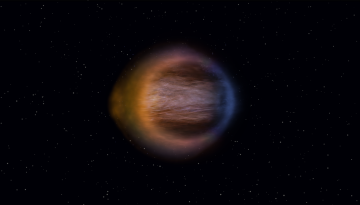
A Cornell-led research team has for the first time resolved an exoplanet’s uneven contours, revealing how extreme heat and wind extend its atmosphere on one side.
Researchers designed a new, faster form of two-photon fluorescence imaging for observing cell metabolism in real time, a method that could enable quicker screening of new therapeutic treatments.
As mathematicians work through challenges related to AI, Cornell math faculty members are leading the field with work integrating AI into math and mathematics into AI.
A new study finds that tariffs on Canadian power could reduce the amount of imported electricity, raise prices, increase carbon emissions and make the power system more vulnerable to extreme weather.