Registration is now open for Cornell University’s online Winter Session. Classes run Jan. 4–22, giving students the opportunity to explore an interest, fulfill a requirement, or earn credits before the spring semester.
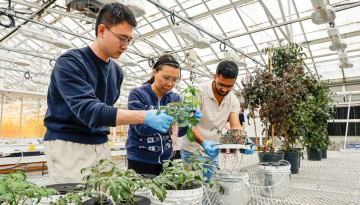
The Cornell-led multi-institutional Center for Research on Programmable Plant Systems will continue work to transform agriculture by enabling direct two-way communication with crop plants’ internal processes.
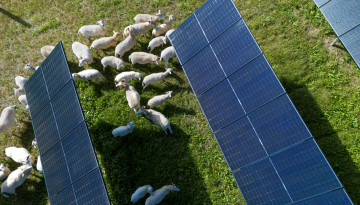
As solar grazing expands across the country, new research helps sheep farmers increase profitability and sheds light on the how the number of sheep in solar array fields interacts with beneficial insects.
Through plants and personal stories, a new student-led exhibit at Cornell Botanic Gardens explores the concept that people live because the natural world lives.
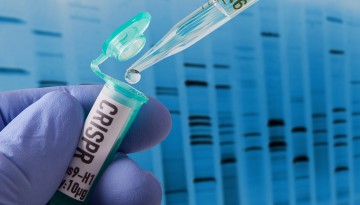
A new engineered gene editing system addresses some of the limitations of current gene editing tools with the hope of improving their use for research, for better crops or to treat diseases.
As an undergraduate researcher, Maya Mangala-Munuma '25 found that trees were three times more likely to be damaged in impoverished, racially diverse neighborhoods.
A Cornell-led study finds that wines made from disease-resistant grape varieties, long dismissed by traditionalists, appeal to consumers as much as those made from classic European grapes.
Cornell Cooperative Extension has boosted its support for New York state agritourism as the industry has grown, with the number of participating farms nearly doubling and revenue tripling since 2007.