Using high-pressure X-ray scattering at CHESS, researchers uncovered key structural differences between conventional and centromeric nucleosomes, revealing how our DNA remains organized and resilient under extreme stress.
A former Klarman Fellow in neurobiology and behavior in the College of Arts & Sciences (A&S), Zhao is continuing his research into the neural mechanisms of parrot vocalizations in the Goldberg lab with this support.
$3 billion in recent private investments in dairy manufacturing have supercharged the need for companies to find new workers. Cornell is helping with extension trainings and bootcamps.
A new documentary chronicling the life and scientific legacy of Nobel Laureate Phil Sharp will be screened at Cornell Cinema on Monday, Oct. 27, at 6 p.m. in Willard Straight Hall. Sponsored by the Cornell Institute of Biotechnology, the showing is free and open to the public.
The unrestricted fellowship funds enables Oliva and the 19 other fellows named this year to “test novel ideas and lead research that drives real-world impact.”
Scientists at the Cornell College of Veterinary Medicine have found that administering a rotavirus vaccine to newborn mice via a shot, rather than an oral dose, increases its efficacy, particularly for at-risk newborns.
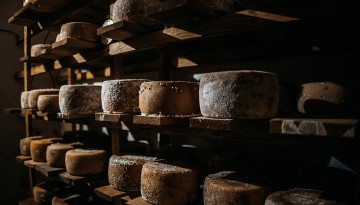
Raw milk cheese products contained infectious avian influenza virus when made with contaminated raw milk, creating potential health risks for consumers.