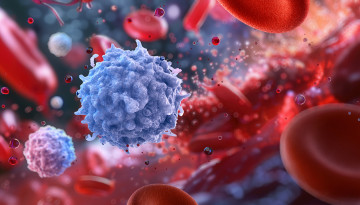
A new book, “Your Immune System,” written by Gary Koretzky ’78, vice provost for research and a professor emeritus of medicine at Weill Cornell Medicine, aims to demystify immunology for laypeople.
New research has found that although food companies recognized clear benefits to pooling confidential food safety, concerns about trust, competition and shared standards continue to stand in the way.
Researchers at the College of Veterinary Medicine and the Baker Institute of Animal Health have documented the first molecular characterization of Marfan syndrome, a rare inherited disorder that weakens connective tissues, in domestic cats.
After a year of engaging with university stakeholders and at a critical moment for higher education in the United States, a faculty-led committee has offered its vision for fortifying Cornell’s long-term future in the face of unprecedented challenges.
Life Science Core Day, taking place Sept. 22, offers Cornell researchers a chance to explore an extraordinary range of specialized life science core facilities, technologies, and expertise available to them from across campus in one place.
Cornell’s To Do the Greatest Good campaign surpassed its goal of raising more than $5 billion and engaging more than 200,000 alumni – achievements that will enhance opportunities for students and accelerate critical faculty research.
Seven Cornell research teams have received Center for Advanced Technology grants to advance early-stage life science technologies through collaborations with biotechnology companies across New York state.