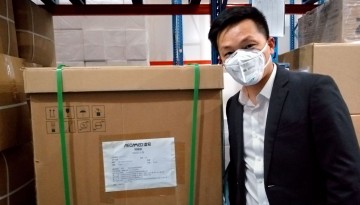
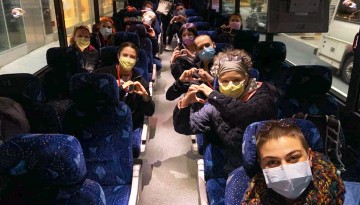
A determined group of Cornellians in and with connections to China has been helping to provide crucial equipment and supplies for medical professionals at Weill Cornell Medicine in New York City and Cayuga Medical Center in Ithaca.
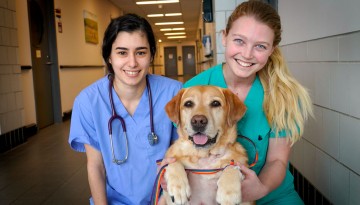
A team of doctors from the College of Veterinary Medicine and Weill Cornell Medicine performed rare canine open-heart surgery to save Lucy, a 7-year-old yellow Labrador retriever.
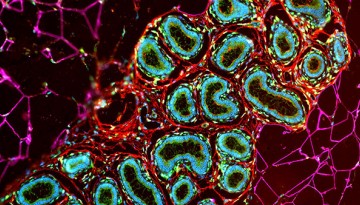
A class of immune cells push themselves into an inflammatory state by producing large quantities of a serotonin-making enzyme, a finding that could inform future treatments for asthma and other allergic disorders.
A new tool developed by a Cornell Tech team can unobtrusively monitor electronic cigarette inhalations, yielding important information for research into vaping.
New York City’s L train has resumed full service following an extensive rehabilitation project that finished six months early and $100 million under budget, thanks in part to Cornell engineers.
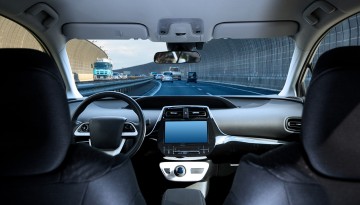
A Cornell Tech-led team has pioneered the use of “ghostdrivers” – cars with drivers disguised under a car seat-like hood – to assess how pedestrians across cultures might react to autonomous vehicles.
Professionals from Cayuga Health have joined their Weill Cornell Medicine and NewYork-Presbyterian/Weill Cornell Medical Center counterparts to care for New Yorkers diagnosed with COVID-19.
How individuals, and health care professionals, deal with infection from SARS-CoV-2, the virus that causes COVID-19, varies depending on the severity of the infection.