Cornell University is pleased to announce the launch of a new prelaw program for undergraduates: the Cornell Global Prelaw Program Online, June 28-July 31, 2021. The program is open to students from any university considering a law career.
A year after the provost announced plans to create a School of Public Policy, following a multiyear review of how to elevate Cornell’s excellence and prominence in the social sciences, the search for its first dean is underway.
In its next webinar, the College of Arts and Sciences’ (A&S) yearlong webinar series, “Racism in America,” will examine how protest movements and civil disobedience have sought to both end and uphold white supremacy and racial discrimination. The Feb. 24 event, in partnership with the Cornell Law School, is free and open to the public.
As CCSS fellows, a dozen faculty members representing seven colleges and schools will pursue ambitious research projects on issues ranging from political polarization to environmental justice.
Cornell Law School’s Legal Information Institute, a pioneer in providing open access to U.S. legal information online, welcomed more than 39 million unique visitors to its website during a year of major headlines.
The grant from The Andrew W. Mellon Foundation’s Just Futures Initiative will bring together scholars from across the university and beyond to study the links between racism, dispossession and migration.
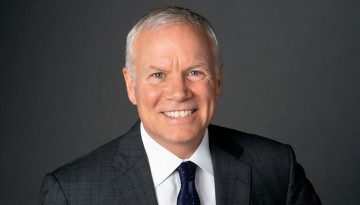
Douglas Lankler, J.D. ’90, executive vice president and general counsel at Pfizer, has played a leading role in establishing Pfizer’s agreement with the U.S. government for 100 million doses of a COVID-19 vaccine.