Immigrants in detention centers have a heightened risk of COVID-19 infection, and detainees should be released into their communities, according to a report co-authored by a pair of Cornell researchers.
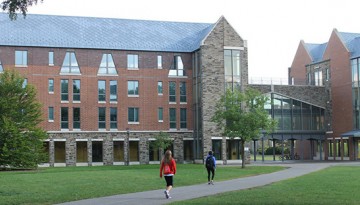
Here are answers to frequently asked questions to help the Cornell community understand the content of the new Student Code of Conduct and Procedures, as well as the process that led its adoption.
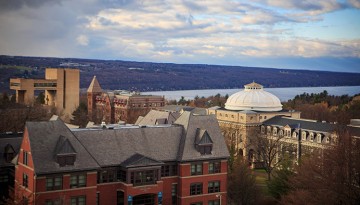
Two senior-level appointments in the Office of Alumni Affairs and Development will take place in January, according to Fred Van Sickle, vice president for alumni affairs and development.
To deflect future world food crises created by climate change, a Cornell-led international group has created a road map for global agricultural and food systems innovation.
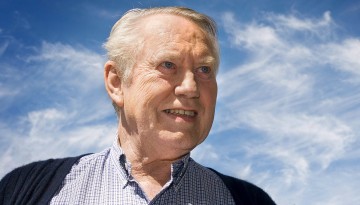
Cornell has announced that East Avenue, one of the main arteries through the Ithaca campus, will be renamed in honor of Charles F. “Chuck” Feeney ’56, founding chairman of The Atlantic Philanthropies and the university’s most generous donor.
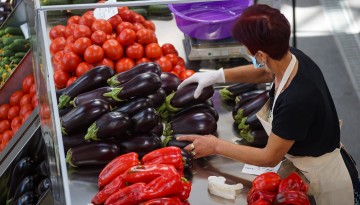
Food businesses and consumers coping with COVID-19 impacts in five countries in Asia and Africa now have access to customized resources, and experts mentored by the Institute for Food Safety at Cornell University.
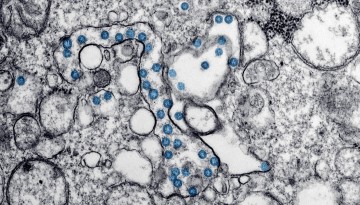
A Cornell-led COVID-19 patient registry, organized by Weill Cornell Medicine, continues to be a source of medical insight into the workings of the novel coronavirus and treatment of infected patients.
Students working with faculty and staff in the Department of Performing and Media Arts have created nine short films exploring life at Cornell in the time of COVID-19. “Off-Campus/On Screen” will be shown online Dec. 18-20.
The New York Power Authority is partnering with the Cornell Climate Smart Solutions Program to deliver a comprehensive training program to its nearly 2,400 employees in New York.
Cornell Atkinson is soliciting nominations for The Earthshot Prize, a new global award supported by The Duke and Duchess of Cambridge to tackle the world’s biggest environmental challenges.
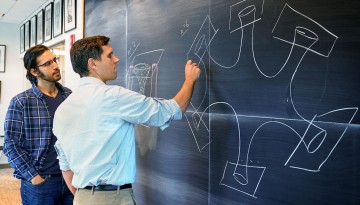
Associate professor Tom Hartman’s May 2020 paper on replica wormholes is being cited as part of a recent series of articles building toward a solution to a famous paradox in theoretical physics.