The information sciences, systems and technology major has grown the nonprofit she founded as a 13-year-old into a national network of volunteers giving incarcerated students access to education.
Cornell information science researchers and Cornell Law School faculty found that in capital cases, prosecutors invoke a range of gender stereotypes against women defendants to increase the likelihood of convictions and death sentences.
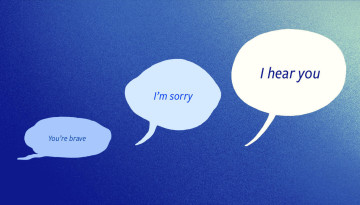
Researchers from Cornell Bowers and Crisis Text Line, which provides free, confidential mental health support, have developed a method for tracking how counselors hone their ability to steer conversations toward positive outcomes.
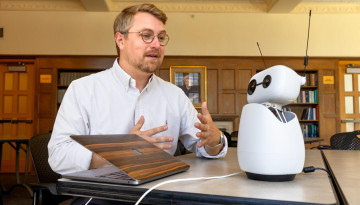
Most faculty, staff and students will have free access to a range of AI platforms – an effort to level the playing field, spur exploration and reduce the costs and vulnerabilities of individual consumer licenses.
Instructors across Cornell are working to strike a balance in the classroom – using AI as a teaching tool but also making choices to prevent its use and preserve the learning experience.
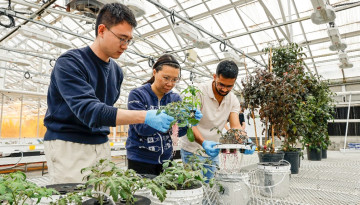
The Cornell-led multi-institutional Center for Research on Programmable Plant Systems will continue work to transform agriculture by enabling direct two-way communication with crop plants’ internal processes.