Seven Cornell research teams have received Center for Advanced Technology grants to advance early-stage life science technologies through collaborations with biotechnology companies across New York state.
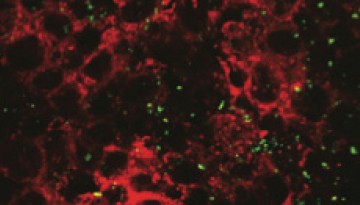
Diet changes and infection resize an organism’s intestines through different cellular strategies. In malnourished fruit flies, infectious microbes became a source of food, not just a threat.
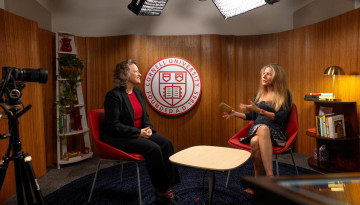
The second season of Research Matters, a Cornell video podcast, drops today, with a way-too-relevant episode on why we don't always do the things we know we should.
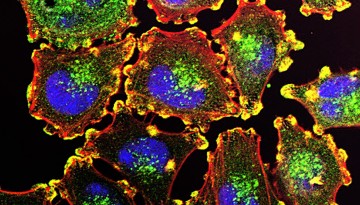
Cornell researchers successfully ramped up the body’s own immune response to fight melanoma at the tail end of a targeted cancer therapy, when tumors commonly become resistant to these treatments.
Through a partnership between Cornell’s School of Continuing Education (SCE) and 4‑H, high school students from across New York state receive scholarships to Cornell’s Precollege Studies program and take Cornell courses for credit on campus or online during the summer.
Through their research programs, the 2026 fellows are advancing new tools and insights to inform conservation strategies, strengthen disease management, and promote sustainable systems that benefit wildlife, people, and the planet.
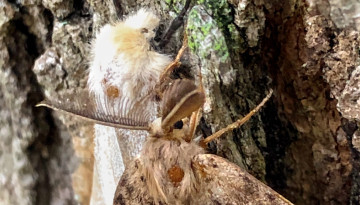
Satellite-derived maps of defoliation caused by European spongy moths offer a promising solution for tracking pest outbreaks and for identifying large scale trends.