On March 28, Andy Warner ’06, author of the memoir "Spring Rain" and several other books, will explore the power of graphic media to tell true stories.
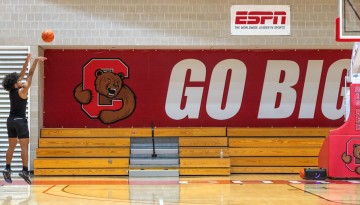
A physics theory that’s proven useful to predict the crowd behavior of molecules and fruit flies also seems to work in a very different context – a basketball court.
Exactly 46 years since they trucked into Cornell and delivered one of the most iconic and beloved performances of their long, strange career, remaining members of the Grateful Dead will return, as Dead & Company, to play a fundraiser concert in Barton Hall on May 8.
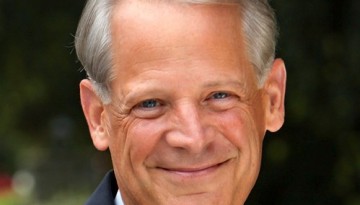
The Cornell-sponsored Congressional Staff Peace Games brought high level House and Senate staff members together to game plan a nonviolent response to a simulated international crisis. Steve Israel, director of the Institute of Politics and Global Affairs, directed the event.
Hübner's winning article from the Journal of the History of Philosophy gives a new reading of Spinoza’s claim that minds and bodies are “one and the same thing.”
Rosemary Caffarella, a former professor of education at Cornell whose inclusive approach to adult and continuing education helped transform her field, died Dec. 30, 2022, in Ithaca. She was 76.