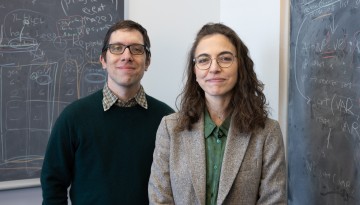
Sophie Lewis will offer a deep dive into the history of radical movements and explore family abolition, which she characterizes as a turning away from the privatization of care.
Current instrumentation being sent to Mars to collect and analyze evidence of ancient life on the red planet might not be sensitive enough to make accurate assessments, according to an international research team co-led by a Cornell astronomer.
"Any Person, Many Stories," a new public history digital exhibition hosted by the Center for Teaching Innovation, uses storytelling methods to take a closer look at Cornell’s past. The project's goal is to engage students, faculty, alumni, staff and community members in a deeper, shared exploration of the university’s aspiration toward “...any person ...any study.”
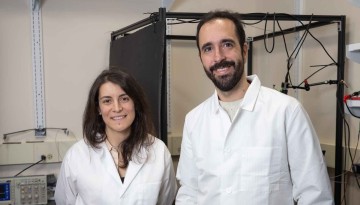
A pair of researchers in the Department of Neurobiology and Behavior are designing new technology and research methods to discover how brain circuits support learning and memory.
A digital humanities project cataloging the work of 19th century poets has unearthed a trove of work that sheds light on life, history and issues of the time, including the campaign to end slavery.
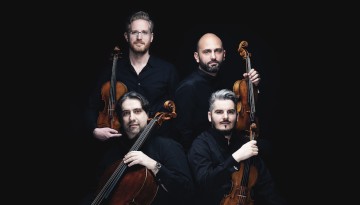
Hailing from Cremona, Italy, the birthplace of the violin, Quartetto di Cremona will perform works by famed Italian composers Boccherini, Puccini, Respighi and Verdi.