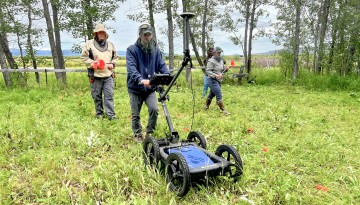
A Cornell research scientist used ground-penetrating radar and AI modeling to locate the communal graves of approximately 93 victims of the Spanish influenza at Pilgrim Hot Springs in Alaska.
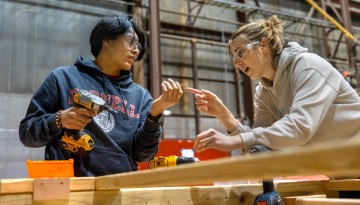
The 1983 student chapter of the American Society of Civil Engineers designed and built Flat Rock Bridge. Now the current student chapter is renovating it with the help of faculty, staff, and community members.
Unlike most female mammals whose vaginal entrance opens before or during puberty and remains that way for the rest of their lives, this rodent’s vaginal entrance remains sealed into adulthood and has the ability to open or close back up multiple times during a lifetime.
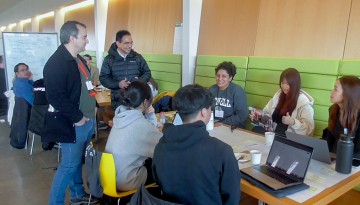
The Cornell Institute for Digital Agriculture Hackathon, an all-weekend event, drew 150 undergraduate and graduate students from most of Cornell’s schools and colleges to the College of Veterinary Medicine.
Rossiter's work changed history and shed light on the many ways women were involved in the advancement of science, as well as how they were pushed out of the field.
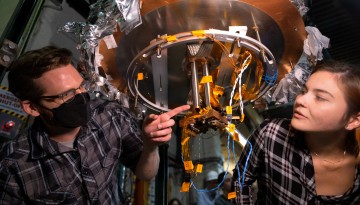
Accelerator physics has revealed hidden universes, from the Higgs boson to what can be seen on a CT scan – and much of that progress is thanks to work done in an unassuming building tucked away on Cornell’s North Campus: Newman Lab.
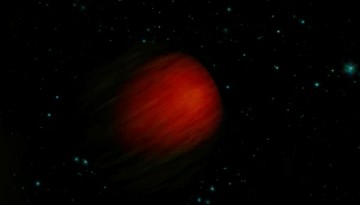
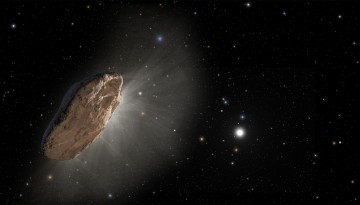
Intensive study of Oumuamua after its 2017 detection helped astronomer Darryl Seligman find potential “dark comets” in our solar system – small bodies that look like asteroids but act like comets.