Events at Cornell include a cat video festival; performances inspired by Taiwanese artist Tong Yang-Tze; a concert and master classes with the Chamber Society of Lincoln Center; and a celebration of Robert Moog.
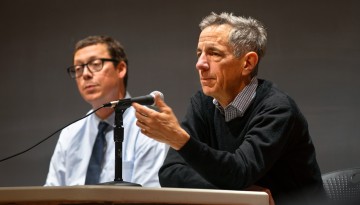
As the impeachment trial of President Donald Trump unfolds in the U.S. Senate, two Cornell professors offered their perspectives on the event and what it says about the current state of American politics.
Researchers from four colleges will study potential warnings for electronic cigarette advertisements that seek to deter teen use of the products without discouraging adults who are trying to quit smoking.
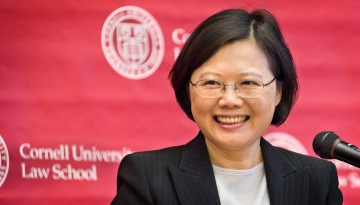
As president of Taiwan, Tsai Ing-wen, LL.M. ’80, has presided over one of the most successful efforts in the world at containing COVID-19. In this Q&A, she discusses her approach to leadership and Taiwan’s success.
Of the approximately 1,500 stories posted by the Cornell Chronicle, research stories about air pollution, engineering and genetics were the four most-read stories of the past 12 months.
After hosting nearly 20 listening sessions, a faculty committee exploring how best to elevate public policy at Cornell plans to submit its final report in January.
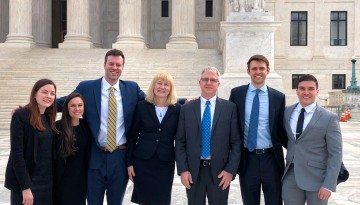
Curtis Flowers, a Mississippi death row inmate, had been tried six times for four murders he says he did not commit. In June 2019, a Cornell Law School team convinced the U.S. Supreme Court that he had been the victim of racial bias.
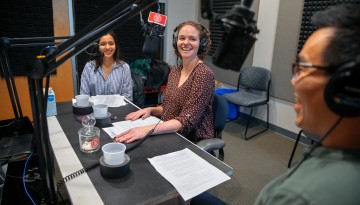
The Intergroup Dialogue Project has expanded its engagement with the Cornell community with workshops tailored to professional students and academic advisers, and a new podcast.