An insect-driven disease that causes high mortality in white-tailed deer, and mimics the symptoms of foot and mouth disease in cattle, is still rare in New York state, but the warming climate may increase its spread, Cornell researchers found.
Researchers proposed a novel way to manage the increased demand for electricity by data centers: a credit market that would allow centers that are facing required cutbacks to pay flexible energy users to take on their obligations when the grid is strained.
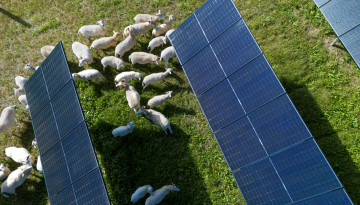
As solar grazing expands across the country, new research helps sheep farmers increase profitability and sheds light on the how the number of sheep in solar array fields interacts with beneficial insects.
A new study finds that tariffs on Canadian power could reduce the amount of imported electricity, raise prices, increase carbon emissions and make the power system more vulnerable to extreme weather.
A Cornell-led study finds that wines made from disease-resistant grape varieties, long dismissed by traditionalists, appeal to consumers as much as those made from classic European grapes.
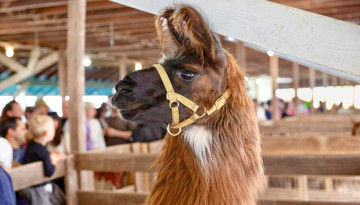
Cornell Cooperative Extension has boosted its support for New York state agritourism as the industry has grown, with the number of participating farms nearly doubling and revenue tripling since 2007.
The Buffalo Co-Lab at Cornell University’s ILR School has received a $1 million donation from James “Jim” E. Miller ’88 and his partner at Miller Shah LLP, James C. Shah.
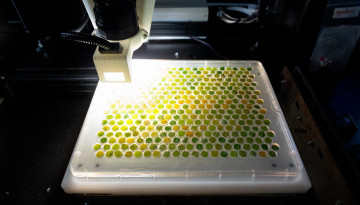
The cutting-edge imaging platform observes microscopic traits in plants and can detect grape diseases that cost vineyard owners billions in annual losses globally.