Registration is now open for Cornell University’s online Winter Session. Classes run Jan. 4–22, giving students the opportunity to explore an interest, fulfill a requirement, or earn credits before the spring semester.
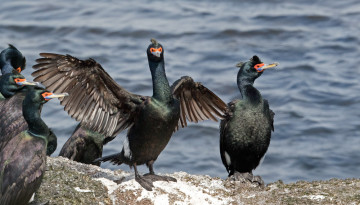
Birds play an outsized, underappreciated role in shaping Earth’s chemistry, distributing nutrients across oceans, forests and coral reefs and sustaining life far beyond the nest, according to a new scientific review.
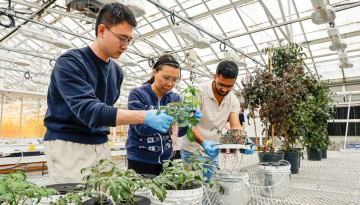
The Cornell-led multi-institutional Center for Research on Programmable Plant Systems will continue work to transform agriculture by enabling direct two-way communication with crop plants’ internal processes.
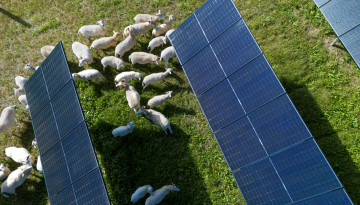
As solar grazing expands across the country, new research helps sheep farmers increase profitability and sheds light on the how the number of sheep in solar array fields interacts with beneficial insects.
A new engineered gene editing system addresses some of the limitations of current gene editing tools with the hope of improving their use for research, for better crops or to treat diseases.
Cornell faculty members, academic departments and groups of departments are invited to submit nominations for the A.D. White Professors-at-Large Program in the fields of arts, humanities, life sciences and physical sciences.