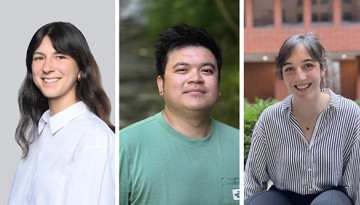
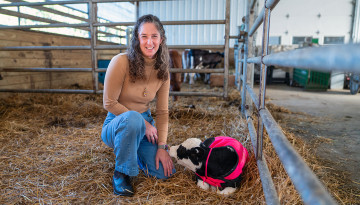
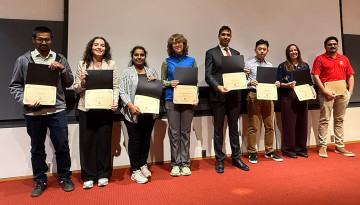
Cornell Atkinson’s 2026 Postdoctoral Fellows seek to discover new antibiotics, uncover hidden corporate emissions data, and support indigenous communities’ environmental assessments of mining projects.
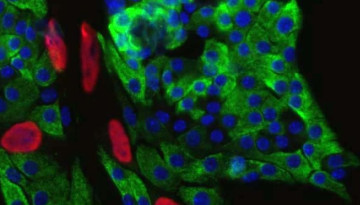
Experiments with preclinical models and human pancreatic cells found that blocking certain proteins in the pathway helped protect beta cells from excessive cellular stress.
An insect-driven disease that causes high mortality in white-tailed deer, and mimics the symptoms of foot and mouth disease in cattle, is still rare in New York state, but the warming climate may increase its spread, Cornell researchers found.
Postdoc Achievement Awards recognize postdocs who made outstanding contributions to the Cornell community, as well as faculty who provided exceptional mentorship to postdocs.
All employees like private rewards – a quiet salary increase or glowing performance review – but narcissists also want to have rewards made public for their colleagues to see.
Registration is now open for Cornell University’s online Winter Session. Classes run Jan. 4–22, giving students the opportunity to explore an interest, fulfill a requirement, or earn credits before the spring semester.
The College of Arts & Sciences will honor Annetta Alexandridis Oct. 31 with a memorial, concert and reception celebrating her contributions to classical art, archaeology and teaching.