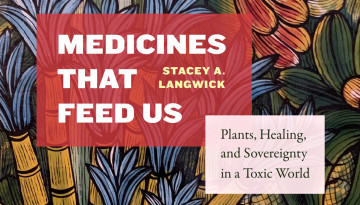
In a new book, anthropologist Stacey Langwick explores plant-based healing and sustainable farming practices in Tanzania that treat bodies and lands as inseparable.
A new engineered gene editing system addresses some of the limitations of current gene editing tools with the hope of improving their use for research, for better crops or to treat diseases.
A new book, “Your Immune System,” written by Gary Koretzky ’78, vice provost for research and a professor emeritus of medicine at Weill Cornell Medicine, aims to demystify immunology for laypeople.
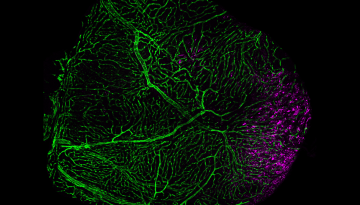
Researchers at Weill Cornell Medicine, working with zebrafish, have discovered a new cell type that may help regulate blood vessel growth in the heart during development and in response to injury.
Surgery to remove lymph nodes in the neck may interfere with cerebrospinal fluid (CSF) drainage from the brain, contributing to cognitive impairment, according to new multicenter research led by Weill Cornell Medicine scientists.
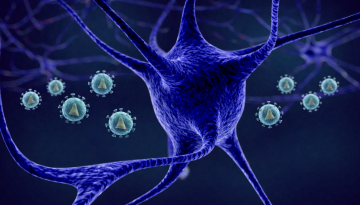
The discovery research center could uncover molecular markers that enable new diagnostics and lead to potential therapies for people living with neurological complications related to HIV.
Weill Cornell Medicine investigators have determined the mechanism by which a molecule within cells can help tune the light sensitivity of the eyes, a finding that should enable the development of drugs that target this site to treat related eye diseases.