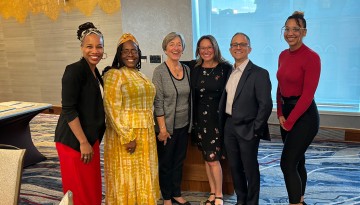
Cornell’s Einhorn Center for Community Engagement named Rebecca Morgenstern Brenner, senior lecturer at the Jeb E. Brooks School of Public Policy, recipient of the 2024 Kaplan Family Distinguished Faculty Fellowship.
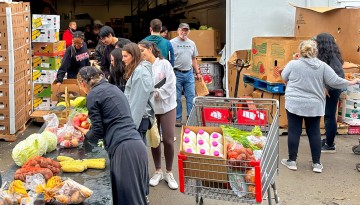
A multidisciplinary project to design a new facility and community garden for the Enfield Food Distribution Center – which has seen demand skyrocket since 2020 – is among eight teams of Cornell faculty, students and community partners to receive Engaged Research Grants from the Einhorn Center for Community Engagement.
Former National Security Advisor Stephen J. Hadley ‘69 will explore “U.S. National Security Policymaking and the Future of U.S.-China Relations” in a fireside chat on Wednesday, April 17.
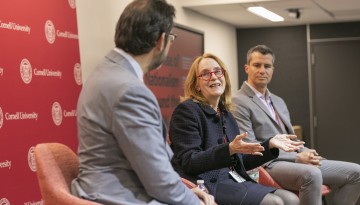
NPR media correspondent David Folkenflik ’91, the Zubrow Distinguished Visiting Journalist in the College of Arts & Sciences, led a discussion with Cornell faculty March 26 New York City.
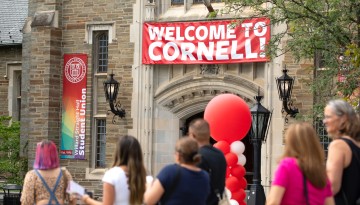
The 5,139 admitted students will bring with them a variety of lived experiences that will enrich the vitality and innovation of Cornell’s intellectual community.
With the Intergroup Dialogue Project, instructors learned skills to facilitate in-class communication across difference – skills participants said are vital to maintaining a democratic society.
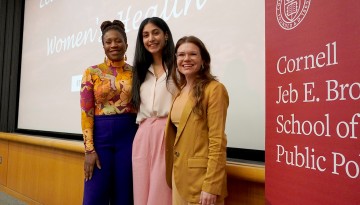
The Women+ in Health Care Leadership Symposium, organized by students in the Sloan Program in Health Administration at the Cornell Jeb E. Brooks School of Public Policy, featured a diverse panel of women for their speaker series.
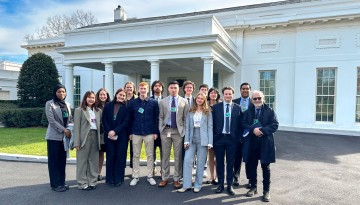
Students from the Cornell Jeb E. Brooks School of Public Policy’s Cornell in Washington program will have an opportunity to observe in person how policymakers contend with Islamophobia and antisemitism at a White House briefing on March 14.