Cornell is a global leader in sustainability and climate change research, teaching and engagement. Our campuses are living laboratories for developing, testing and implementing solutions that address these most challenging issues.


AguaClara begins construction of water plant in Nicaragua

AguaClara, an Engineering Project Team that has built 14 gravity-powered surface water treatment facilities in Honduras over the last 12 years, has begun construction of its first plant in Nicaragua.

Cornell trains gender-responsive researchers in Africa

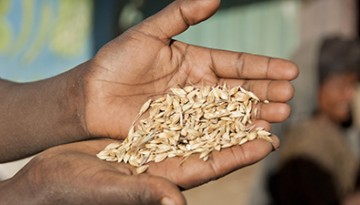
Cornell's "Gender Responsive Cereal Grains Breeding" is being held at Makerere University in Kampala, Uganda, Aug. 7-16.

Citizen-scientists track N.Y. bears with iSeeMammals app

Black bear populations are on the rise in New York, and Cornell researchers combine digital technology with on-the-ground conservation efforts to manage the growing numbers.

Climate Smart Farming adds online Northeast drought tool

Cornell’s Climate Smart Farming program has added a fifth online tool – the New York State/Northeast Drought Atlas – to help regional farmers cope with an era of global warming.

Habitat loss, climate threaten eastern forest birds

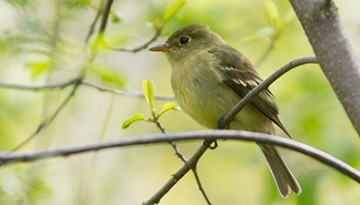
Within the next few decades, human-caused habitat loss looms as the greatest threat to some North American breeding birds.

Climate scientists create Caribbean drought atlas

Cornell atmospheric scientists have developed the first-of-its-kind, high-resolution Caribbean drought atlas, while they say the region's 2013-16 drought may hint at climate change.

Heritage and ancient grain project feeds a growing demand

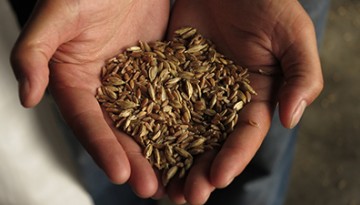
A Cornell-led project is helping build a new local grain culture by providing research-backed, farm-to-table information on modern, ancient and heritage wheat varieties.

Ezra

Nitric oxide plays key role in forming potent greenhouse gas

Cornell chemists have uncovered a fresh role for nitric oxide that could send biochemical textbooks back for revision. They have identified a key step in the nitrification process, which contributes to global warming.

Research offers new hope for gender equity in STEM fields

Men continue to be much more likely to earn a degree in STEM fields than women. Research from Cornell's Center for the Study of Inequality offers unexpected hope in closing this gender gap.