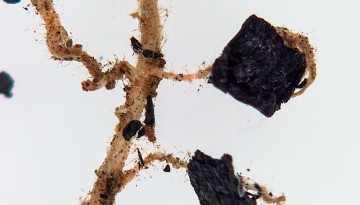
Cornell scientists have discovered a new high-definition system that allows electrons to travel through soil farther and more efficiently than previously thought, according to Nature Communication, March 31.
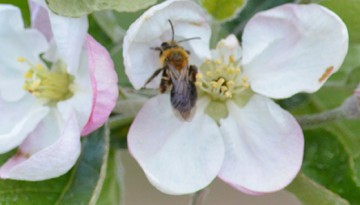
Growers who time their strawberries to bloom just after apples do, can reap a better harvest, according to new research from the lab of Bryan Danforth, professor of entomology.
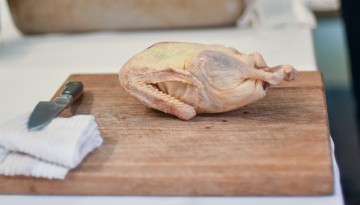
The inaugural Meat and Greet Farmer and Chef Fair held March 11 at Hobart and William Smith Colleges in Geneva, New York, sought to connect consumers with farmers. The event was co-sponsored by Cornell Cooperative Extension.
Marine microalgae may play a crucial role in mitigating atmospheric greenhouse gas, reducing carbon dioxide from commercial agriculture and steadying the global climate, according to Cornell research.
Five student teams competed for the chance to win $25,000 March 18 as part of Hotel Ezra Cornell's seventh annual Hospitality Business Plan Competition. This year's winner was Team Natural Cuts.
Ann Bybee-Finley, a second-year doctoral student at Cornell studying cropping systems resilience with a focus on Northeastern dairy producers, has been named a 2017 Future Leader in Science.
A new study shows how milkweed toxins affect the web of creatures that surround the predatory aphids, especially ants, which frequently serve as aphid protectors.