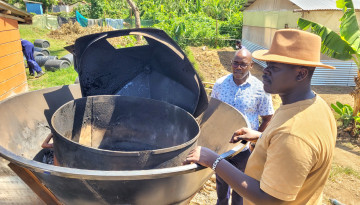
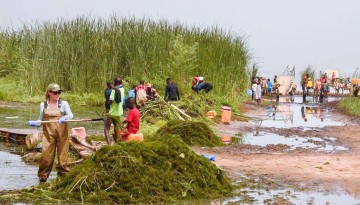
Cornell researchers and Kenyan partners have developed a fertilizer made from human excreta. The product improves soil health and food production, while preventing pollution in informal settlements and the aquatic environment.
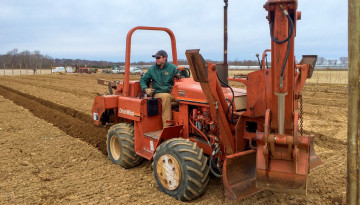
Harbes Farm on Long Island relies on a mutually beneficial collaboration with Cornell researchers, a partnership that has made the family’s three farms key destinations for Long Island agritourism.
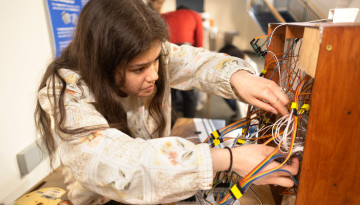
After Camp Owahta’s arts and crafts building burned down last summer, the Cortland County camp’s leadership turned to second-year architecture students for fresh ideas.
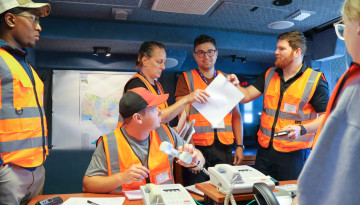
The university's annual snapshot reveals $9.5 million in need-based scholarships and grants to Tompkins County students attending Cornell – and a deepening commitment to the region that goes far beyond the campus boundary.
Cornell-led research linking poverty and disease – and a promising path out of both – faces an uncertain future as federal science funding comes under pressure.