Researchers identified very different mechanisms behind two historic eruptions of Mount Etna in Italy – a finding that can help geologists assess the risk of future eruptions.
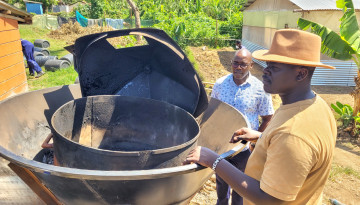
Cornell researchers and Kenyan partners have developed a fertilizer made from human excreta. The product improves soil health and food production, while preventing pollution in informal settlements and the aquatic environment.
Cornell-led research linking poverty and disease – and a promising path out of both – faces an uncertain future as federal science funding comes under pressure.
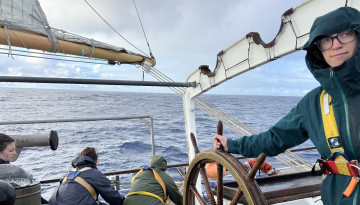
Every year, around 2,000 Cornell students say a temporary goodbye to their lives in Ithaca – in pursuit of international experiences outside their comfort zone. Their time studying abroad gave graduating seniors Kevin Chang and Ana Hoffman Sole knowledge of new places, new skills and rich new communities. Now they’re looking ahead to career paths that build on what they learned.
While recreational cannabis laws have significantly reduced arrests for cannabis possession and sales, racial disparities in arrests still exist, according to a new study from Weill Cornell Medicine, Instituto Tecnológico Autónomo de México and the University of Texas at Austin.
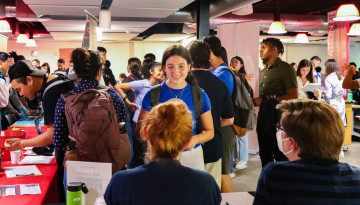
Thirty student startups received Human Spirit, Beck Fellows and Cane Entrepreneurial Scholars awards this summer from Entrepreneurship at Cornell, funding that will allow students to work on their startups rather than take traditional summer positions.