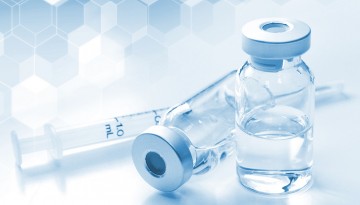
While the world has celebrated the arrival of highly effective vaccines against COVID-19, new work by researchers at Weill Cornell Medicine and the University of Oxford shows that even unrelated vaccines could help reduce the burden of the pandemic.
The Cornell Space Systems Design Studio is preparing to launch a pair of low-cost, modular satellites into low Earth orbit, where they will drift apart by up to 30 kilometers and then, using custom software, locate each other’s position, fire their thrusters and dock together.
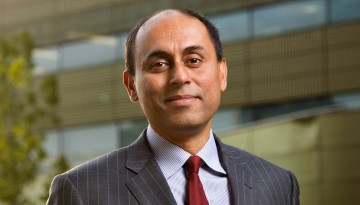
Soumitra Dutta, professor of management and former founding dean of the Cornell SC Johnson College of Business, will leave Cornell this summer to become dean of the Saïd Business School of the University of Oxford.
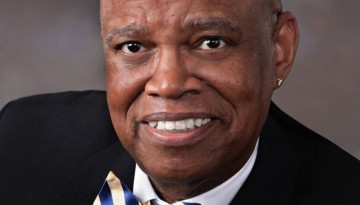
Kraig H. Kayser, MBA ’84, will start a three-year term as chair of the Cornell University Board of Trustees on July 1, succeeding Robert S. Harrison ’76.
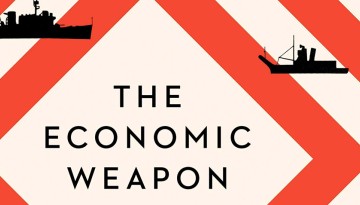
Economic sanctions have long been considered a nonviolent deterrent, but ironically they have become a tool of modern warfare, according to a new book by Nicholas Mulder, assistant professor of history.
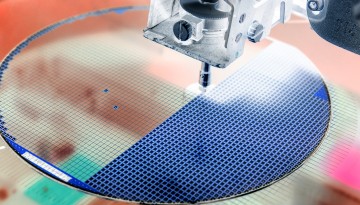
With a little twist and the turn of a voltage knob, Cornell researchers have shown that a single material system can toggle between two of the wildest states in condensed matter physics.
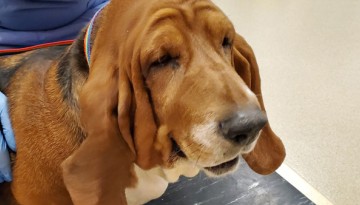
The folds in a basset hound’s face are a hallmark of the breed’s droopy charm, but for six-year-old dog Daisy, an allergic reaction changed those folds from adorable to painful.
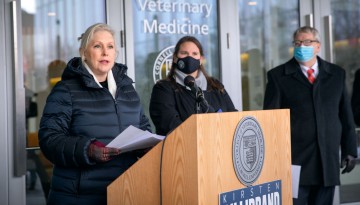
U.S. Sen. Kirsten Gillibrand (D-New York) visited the College of Veterinary Medicine on Jan. 7 to discuss bipartisan legislation proposing to establish centers of excellence for pandemic response and prevention.
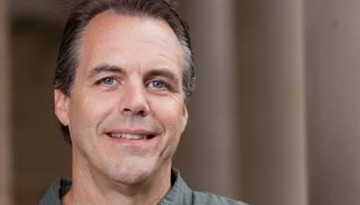
Richard Kiely PhD ’02, a senior fellow in the David M. Einhorn Center for Community Engagement, has been inducted into the Academy of Community Engagement Scholarship. The honor recognizes Kiely’s more than 20 years of experience and expertise in advancing community-engaged learning, teaching and research.
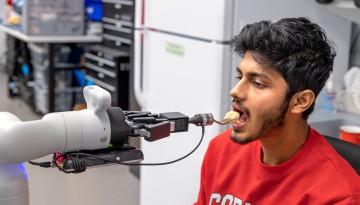
Tapo Bhattacharjee, assistant professor of computer science at Cornell Bowers CIS, will use a four-year, $1.5 million grant from the National Science Foundation to develop assistive robotics for people with physical disabilities and their caregivers.
From teaching food science at the Ithaca Farmers Market to researching how youth feel about their race and ethnicity, this year’s Engaged Faculty Fellows are demonstrating the range of work that’s possible through community-engaged learning and research. The 2021-22 cohorts include 15 faculty from eight Cornell schools and colleges.