Cornell is a global leader in sustainability and climate change research, teaching and engagement. Our campuses are living laboratories for developing, testing and implementing solutions that address these most challenging issues.
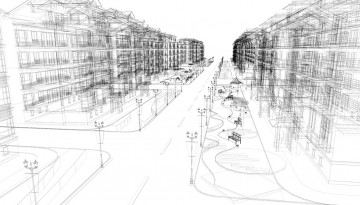

Software helps planners design walkable cities

Urbano, a free software recently launched by Cornell researchers, employs data and metrics to help urban planners add walkability features to their designs.

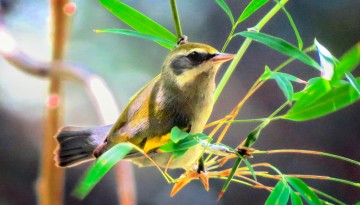
Study finds sex bias in bird conservation plans

Bird habitat conservation strategies have typically overlooked the habitats needed by females, putting already-declining species in even more peril, according to researchers at the Cornell Lab of Ornithology.

New center will foster data science research

Cornell’s Center for Data Science for Enterprise and Society, launching this fall and led by David Shmoys, will enhance research in the increasingly important field of data science.

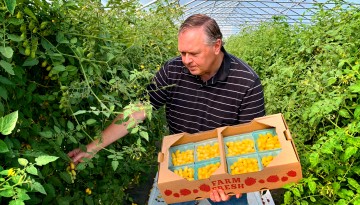
Moonbeam adds a big bang of flavor to Galaxy tomatoes

Fresh from Cornell AgriTech, the newest grape tomato – Moonbeam – has joined a constellation of heirloom-style tomatoes in the 2020 High Mowing Organic Seeds catalog Nov. 1.

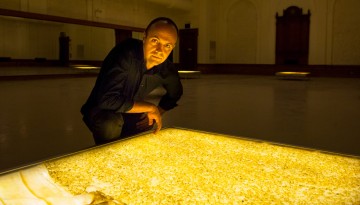
Symposium to mark 50th anniversary of ‘Earth Art’

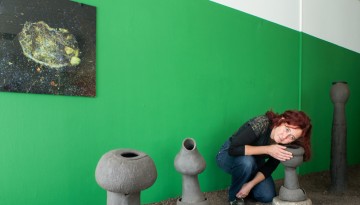
Designers and scholars will discuss contemporary environmental concerns related to the legacy of the landmark 1969 Earth Art exhibition at Cornell at a symposium Nov. 7-8.

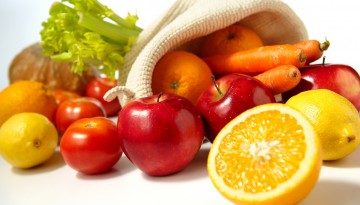
Fresh produce earns ‘halo effect’ under new GMO-labeling laws

Consumers were more willing to buy unlabeled produce after being shown food tagged as “genetically modified” in a new Cornell study that comes two months before a new federal food-labeling law goes into effect.

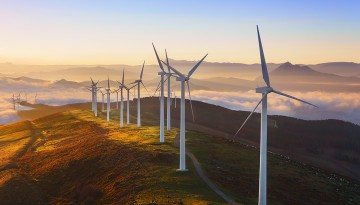
To rid electric grid of carbon, shore up green energy support

Cornell and Northwestern engineers, and a federal economist, have created an energy model that aims to remove carbon power from the U.S. electric grid – replacing it with financially feasible green energy.

Project partners researchers, librarians and AI to fight hunger

Ceres2030, a global effort led by International Programs in the College of Agriculture and Life Sciences, is employing machine learning, librarian expertise and cutting-edge research analysis to use existing knowledge to help eliminate hunger by 2030.

Art and science provide fertile ground for research, teaching

Research projects investigating the sounds of soil bring the fields of soil science, art, bioacoustics, entomology and other disciplines together, and blend creative practice with scientific inquiry.