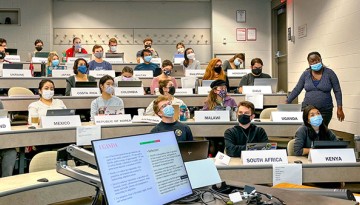
During the COP26 climate change conference, 45 Cornell undergraduate and graduate students plugged in from Ithaca to hear international negotiations first-hand and environmental history.
Zinc deficiency is prevalent around the world, and among children, these mineral shortfalls can lead to stunting, embryonic malformations and neurobehavioral abnormalities.
The research finds peer education, boosting workers’ leadership skills and cultivating relationships of trust while confronting sexual harassment can shift workplace culture.
The simple technique was associated with a 56% reduction in irregular heart rhythm that can lead to stroke, with no added risks, according to a Weill Cornell Medicine study.
Several Cornellians – appointed by Gov. Kathy Hochul – will explore how thewarming environment will affect New York’s communities, ecosystems and economy in the new Climate Impacts Assessment project.
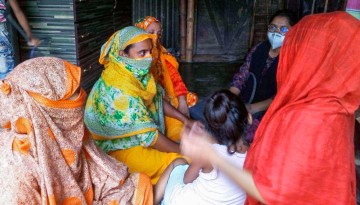
New Cornell research finds that in remote parts of Bangladesh with little internet access, people have relied on local experts, spiritual views and their sense of social justice to evaluate new coronavirus information.
As more states legalize cannabis for medical or recreational purposes, its use during pregnancy is increasing – along with the potential forabuse or dependence.
On Nov. 2, Angela Odoms-Young testified before the U.S. Senate Subcommittee on the state of nutrition in the U.S. She highlighted racial inequities in health and nutrition caused by social, political and structural inequalities.