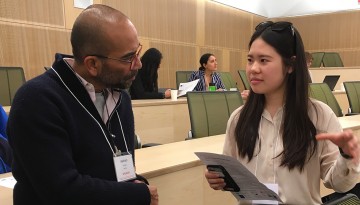
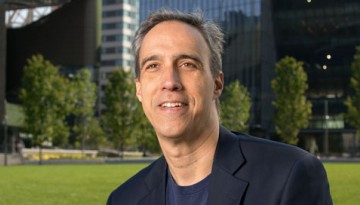
At the Cornell Business Impact Symposium, keynote speaker Ashish Gadnis described a pathway to positive social impact that could help people around the world rise from poverty, reduce gender inequality, vanquish black markets and bring light to shadow economies.
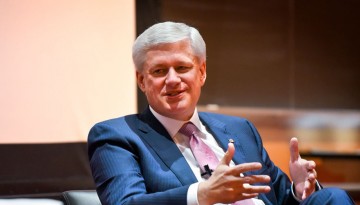
In a world teeming with trade and immigration controversy, Stephen Harper, the conservative former Canadian prime minister, urged a Cornell audience on March 7 not to ignore rising populist or nationalist campaigns.
A Cornell-led team has found that when robots are beating humans in contests for cash prizes, people consider themselves less competent and expend slightly less effort – and they tend to dislike the robots, too.
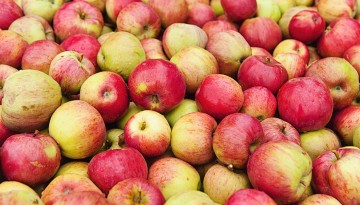
Unveiling a new economic impact analysis model, a Cornell team found the state’s apple industry has a 21 percent larger economic impact than traditional models suggest.
The Bank of America Institute for Women’s Entrepreneurship at Cornell offers a free, 12-week online business certificate program, which gives entrepreneurs the skills, knowledge and resources to build their own businesses.
A new study suggests companies that disclose their wages can shrink the gap between what men and women earn by 7 percent. And it makes the workplace more equitable in other ways as well.
Dan Huttenlocher, dean and vice provost of Cornell Tech, who positioned the campus as one of the most forward-thinking and interdisciplinary in the nation, will step down Aug. 1 to become dean of MIT’s new college of computing.
Cornell researchers and their colleagues have created a new, comprehensive data set of China’s 2,656 energy-related policies operating in 30 provinces – and found they cancel each other out when it comes to energy consumption.
Digital agriculture at Cornell has just been seeded for robust additional growth by being added as a strategic discipline area to the provost's radical collaboration initiative.