Yerkezhan Abuova ’23 memorialized her grandmothers in a Collegetown mural, painting them surrounded by animals, tulips and waterlilies. She hopes it will comfort viewers who grieve.
The threat of demographic change may alter who white Americans perceive as racial minorities, potentially making more people vulnerable to discrimination, suggests new Cornell psychology research.
A study also revealed that expanded duties, particularly emotional care, resulted in a higher perceived value of the workers’ contributions, which could help boost pay for home care workers.
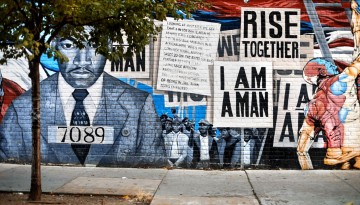
An interdisciplinary seminar in the fall semester took students from Ithaca to New York City to explore African American heritage sites and the people whose work keeps this history alive.
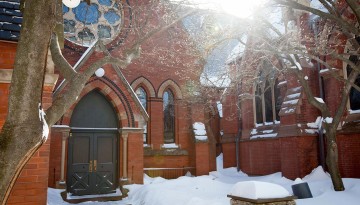
Up-and-coming authors Danté Stewart and Cole Arthur Riley will give the 2022 Martin Luther King, Jr. Commemorative Lecture on Feb. 3 at 7 p.m. in Sage Chapel.
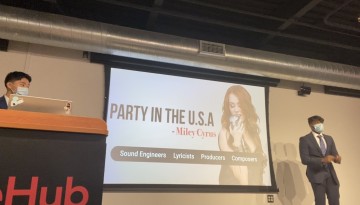
Four teams of undergraduate students were named winners of the Big Ideas Competition at Cornell, with ideas that help musicians connect, detect heart problems, train unemployed young adults and help with pollution issues in developing countries.
Building on their longtime commitment to social justice, equity and diversity, Louise and Leonard Riggio have made a $5.6 million gift to Weill Cornell Medicine to establish a scholarship for Black medical students with financial need.
The new Bouriez Family Fellowship sponsors graduate students from French-speaking Africa as they pursue professional training in law or global development at Cornell. The fellowship is administered by the Einaudi Center's Institute for African Development.
An upcoming book by a Cornell doctoral student explores a new field of study related to the use of Unmanned Aerial Vehicles, typically referred to as drones, in warfare.