The new ILR Workplace Inclusion and Diversity Education program will develop and deliver innovative teaching methods, conduct research and develop partnerships with leading organizations to help promote workplace inclusion and study approaches that foster a culture of inclusive leadership through empathy and dialogue-based interventions.
A new scholarship for first-generation undergraduate students has been established in the name of beloved government professor Isaac Kramnick, and will support students beginning this fall.
Scholars have overlooked tenant organizations as a crucial source of political power in the most precarious communities, according to new research co-authored by Jamila Michener.
The Provost’s Office of Faculty Development and Diversity is accepting nominations for the annual Faculty Award for Excellence in Research, Teaching and Service Through Diversity. The award, to be given to two faculty members, comes with a $15,000 prize.
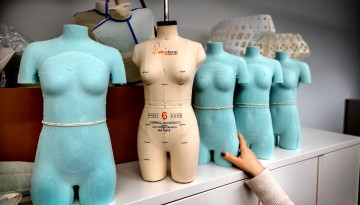
The technology, developed in the Department of Human Centered Design, aims to improve the fit and design of clothing and increase the sustainability of online shopping.
Tiffany Norwood ’89, CEO of Tribetan, has been named Cornell Entrepreneur of the Year 2022. She will be honored on campus April 28-29 at the Entrepreneurship at Cornell Celebration event.
Cornell Venture Capital hosted Liza Landsman ’90, and Jillian Williams to inspire the next generation of investors and entrepreneurs and shed light on how women and minorities can break into the venture capital industry.