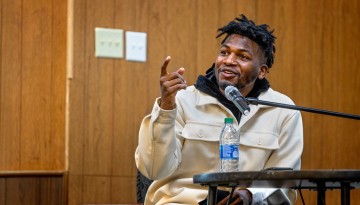
Speakers at the 2022 Martin Luther King Jr. Commemorative Lecture Feb. 3 spoke about topics including their writing, their families, Black history and literature, and what it means to be Black and American.
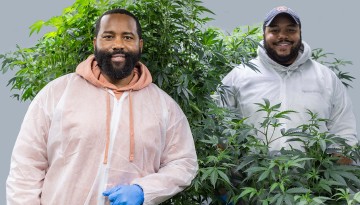
Cameron Wesley Scott, M.M.H. ’21, and Jeremiah Swain, M.M.H. ’20, hope to create one of upstate New York’s first boutique cannabis hotels and make social change at the same time.
Refugees are less likely to be employed the longer they live in the United States, despite unique and early access to employment services, according to new research co-authored by Shannon Gleeson of the ILR School.
The stories of fictional freedom seekers ring out on the new “Voices on the Underground Railroad” website, a collaborative effort between Cornell students and community members.
White men who have experienced disadvantages in the workplace – particularly when associated with a social identity, such as being gay or having a disability – are more likely to recognize disadvantages faced by others and to understand the privilege they enjoy as white.
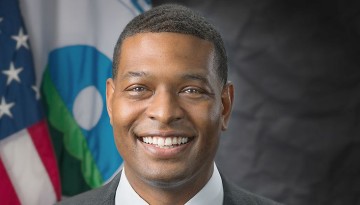
Speaking to the Cornell Jeb E. Brooks School of Public Policy Institute for Public Affairs on Feb. 10, EPA Administrator Michael Regan will describe the path to environmental justice and his efforts within the Biden Administration.
The Tompkins County Historical Commission will release a short book written by Cornell Professor Kurt Jordan with the help of Gayogo̱hó:nǫʔ community members, titled “The Gayogo̱hó:nǫʔ People in the Cayuga Lake Region: A Brief History.”
As many as one in four children in Flint, Michigan – far above the national average – may have experienced elevated blood lead levels after the city’s 2014 water crisis, finds new research by Jerel Ezell, assistant professor in the Africana Studies and Research Center.