President Hunter R. Rawlings III on July 1 issued the following statement concerning the appointment of Dr. John W. Ryan as Interim Chancellor by the State University of New York Board of Trustees.
Kenneth C. Hover, Cornell professor of civil and environmental engineering, has been named associate dean for undergraduate programs in the College of Engineering, Dean John Hopcroft has announced.
The Cornell University Home Study Program is changing its name to the Cornell University Food Industry Management Distance Education Program, said George S. Hayward, director of the program.
Cornell University's Food Industry Management Distance Education Program has announced a new computer-based training program for retail food store managers and associates. The CD-ROM program, which explores the topic "Personal Hygiene," is the first of four programs planned on fundamental topics in food safety and sanitation.
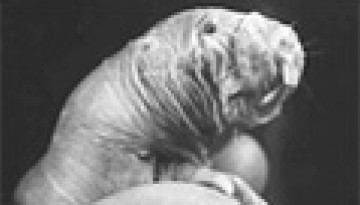
Cornell biologist Paul Sherman, co-author of two new books about naked mole-rats for children and young adults, expects one of the world's weirdest animals will appeal to kids and spark their scientific curiosity.
Cornell University's Food Industry Management Distance Education Program has announced a new computer-based training program for retail food store managers and associates.
Slavishly devoted to a charismatic figure, wearing more hair on their toes than on their wrinkled heads, living in the underground among scores of near-identical gang members with really gross personal hygiene — they're the kind of cult parents pray their children won't join.
The Division of Nutritional Sciences (DNS) at Cornell University, the largest academic unit in the United States devoted to the study of and training in human nutrition, has become home to two international centers.
The Summer Olympics athletes that Dr. Michael A. Ball cares for will run three days in Georgia's July heat, jump over logs and ditches, sweat off as much as 10-15 liters of body fluid an hour and carry other athletes on their backs.
Fifteen undergraduate students from across the country arrived in Ithaca, N.Y., on June 2 to begin a summer of research at the Cornell Theory Center (CTC).
Nobel Prize winner Hans A. Bethe, Cornell University professor emeritus of physics, has a new award named in his honor established by the American Physical Society (APS). The APS will announce the award at a reception on the occasion of Bethe's 90th birthday on July 2.
Thanks to charismatic enzymes and environmental concerns, the brine from processed sauerkraut no longer may pose an ecological threat. Instead, it could cut the mustard as a popular flavor enhancer for a variety of beverages and foods, according to a Cornell scientist. Sauerkraut brine is the byproduct generated in the fermentation of cabbage.