Scientists have uncovered a set of neurons in fruit flies that shut down in cold temperatures and slow reproduction, a system conserved in many insects, including mosquitoes, which could provide a target for pest control.
From uniquely challenging beginnings as an architecture student to her enduring dedication to her alma mater, AAP remembers Franny Shloss by her legacy of determination, generosity, and her artist's soul.
Ariel Ortiz-Bobea says there is no greater threat to our food supply than climate change. He has been appointed to a USDA advisory panel where he will get to shape policy that leads to solutions.
Journalistic fact checks are a more effective counter to COVID-19 misinformation than the false news tags commonly used by social media outlets, according to new Cornell research.
In an eCornell Keynotes webinar, ILR Dean Alex Colvin will talk with Professor Francine Blau, ILR Senior Economics Adviser Erica Groshen and “New York Times” economics reporter Eduardo Porter.
A group of graduate students from Cornell is collaborating with students across the country to create a scholarly podcast focused on issues of diversity in archaeology.
Cornell researchers and a startup have received more than $7 million in federal grants to advance novel clean energy research that includes wirelessly charging electric vehicles, low-carbon jet fuel and construction materials made from waste.
A specific group of fungi residing in the intestines can protect against intestinal injury and influence social behavior, according to new preclinical research by scientists at Weill Cornell Medicine.
A project led by Felix Heisel and community partners is investigating deconstruction’s potential as a more sustainable alternative to building demolition, a source of significant waste that contributes to climate change.
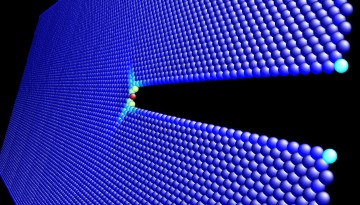
Researchers made a breakthrough in understanding how some materials break. Their discovery could help engineers better anticipate a material’s behavior and design novel alloys that resist fatigue.
Maya Phillips, a critic at large for The New York Times, has been named winner of the 2020-21 George Jean Nathan Award for Dramatic Criticism. The award committee comprises the heads of the English departments of Cornell, Princeton and Yale Universities.
John Cawley, a health economist at the Cornell Jeb E. Brooks School of Public Policy, will help lead an international organization of health economists. As a member of the Board of Directors of the International Health Economics Association, Cawley will help the group apply economics to health and health care systems while also assisting young researchers at the start of their careers.