Cornell is a global leader in sustainability and climate change research, teaching and engagement. Our campuses are living laboratories for developing, testing and implementing solutions that address these most challenging issues.
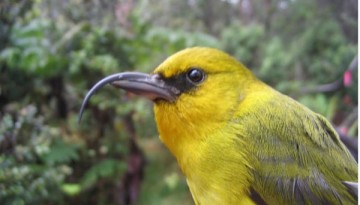
Postdoctoral fellow works to save endangered Hawaiian birds from mosquito menace

On the island of Kaua‘i, six native bird species recently experienced collapses coinciding with a sharp increase in mosquitoes and malaria. Dr. Katherine McClure is working to save Hawai’i’s native bird populations from this disease, specifically the Hawaiian honeycreepers.

Around Cornell

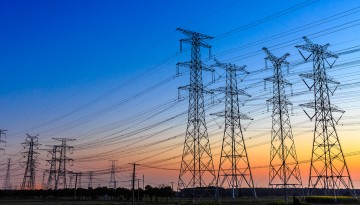
Tying quantum computing to AI prompts a smarter power grid

Fumbling to find flashlights during blackouts soon may be a memory, as quantum computing and AI may quickly solve an electric grid’s hiccups so fast, humans may not notice.

eBird data can help track bee health

A two-year, $500,000 grant will allow a team of Cornell data scientists and ecologists to use eBird data to explore a new way to track pollinator health and biodiversity.

States That Prioritized Access to Water at Height of Pandemic Saved Lives

Water shutoffs for non-payment are a constant threat for millions of Americans in any given year. That risk was a deadly one during the pandemic, with access to clean water for handwashing and sanitation a proven way to reduce the spread of COVID-19. The dozens of states that implemented moratoria on water shutoffs to protect vulnerable citizens reported better public health outcomes, according to a new Cornell study.

Around Cornell

Wind energy can help Earth blow back climate calamity

Two Cornell professors calculate how wind energy scenarios could reduce atmospheric average temperatures by 0.3 to 0.8 degrees Celsius by the end of the century.

New residence halls save energy with eco-friendly features

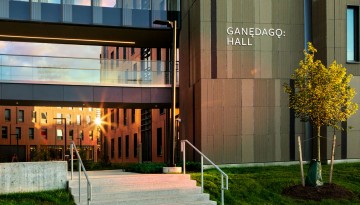
Toni Morrison Hall and Ganędagǫ: Hall – two newly opened student residential buildings – were designed and built in line with Cornell’s high standards for green infrastructure, a critical component to advancing the campus goal of carbon neutrality by 2035.

Regional partnership supports UN sustainability program

The Finger Lakes Energy Compact is part of a new international initiative overseen by the United Nation’s Sustainable Development Goals Program. The compact will combine Cornell’s research initiatives and campus efforts in renewable energy and energy efficiency with the City of Ithaca and the Town of Ithaca’s ambitions for a Green New Deal.

Lund fellows program supports undergrads and organic agriculture

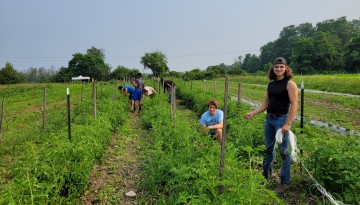
A new summer internship enables undergraduates across disciplines to learn about organic, restorative and agroecological practices while working at diversified, small-scale farms around New York state.

Around Cornell

Cornell celebrates 65 years of leadership in biogeochemistry

Biogeochemistry – an interdisciplinary field that examines the elemental cycles through Earth’s air, land and water  –  is critical to understanding climate change. Learn how it found its origin at Cornell CALS more than six decades ago.

Around Cornell