Cornell is a global leader in sustainability and climate change research, teaching and engagement. Our campuses are living laboratories for developing, testing and implementing solutions that address these most challenging issues.
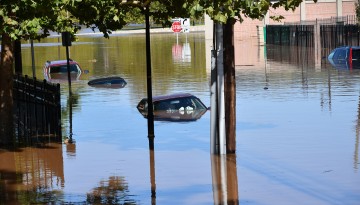


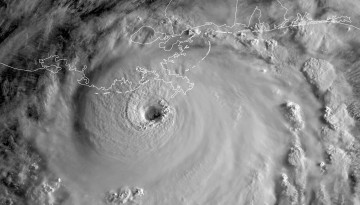
Ida’s remnants struck idling front for historic deluge

The remnants from Hurricane Ida deluged the Northeast, prompting rivers to overflow and qualifying as 500-year rain events, according to Cornell’s Northeast Regional Climate Center.

Long commutes, home crowding tied to COVID transmission

Neighborhoods that had populations with predominantly longer commute times to work – from about 40 minutes to an hour – were more likely to become infectious disease hotspots, according to new research.

Scientists harness machine learning to lower solar energy cost

A Cornell-led collaboration received a $3 million grant from the U.S. Department of Energy to use machine learning to accelerate the creation of low-cost materials for solar energy.

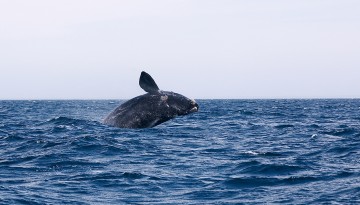
Warming Atlantic forces whales into new habitats, danger

Critically endangered North Atlantic right whales – forced from its habitat, facing ship strikes and fishing peril – now confront extinction.

Bacteria may hold key for energy storage, biofuels

A new study identifies bacterial genes that may make it easier for scientists to engineer a bacteria that takes in renewable electricity and uses the energy to make biofuels.

Undergrad’s blogs, tweets stay ahead of storms

For Cornellians who watch storms, or use Twitter and read blogs, follow Jacob Feuerstein ’23. He can talk tempests before they exist.

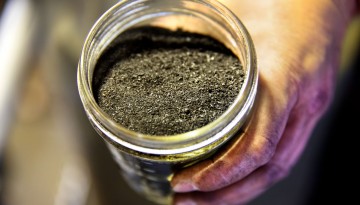
To sustainably harness cow manure’s usefulness, fire it up

Cow manure – a longtime agricultural waste headache for dairy farmers – soon may ignite a new sustainable fertilizing trend.

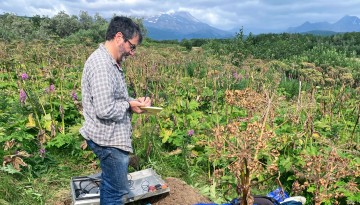
Geophysicist sprints to monitor quake aftershocks in Alaska

When an 8.2-magnitude earthquake struck off the coast of Chignik, Alaska, on July 29, geophysicist Geoffrey Abers raced north with a group of collaborators to record its aftershocks.

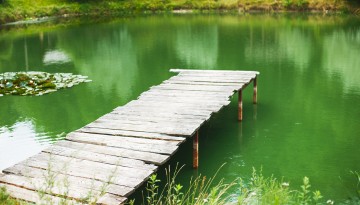
Complex dynamics turn lake water green and brown

Scientists have mostly assumed that ecosystem relationships leading to these shifts are linear, but new research suggests something more complicated.