Cornell is a global leader in sustainability and climate change research, teaching and engagement. Our campuses are living laboratories for developing, testing and implementing solutions that address these most challenging issues.
Cornell Atkinson awards $250K in COVID research grants

Since requesting proposals in April, the Cornell Atkinson Center for Sustainability has awarded approximately $250,000 in rapid-response grants for COVID-19-related Cornell research.

Green practices can negate climate emissions on NY farms

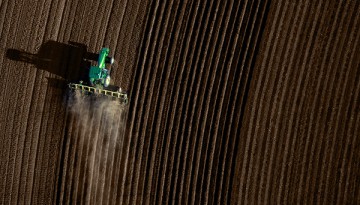
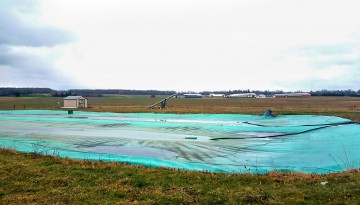
New York agriculture has the capacity to mitigate its own greenhouse gas emissions, two Cornell researchers say in a state-funded report commissioned by the New York State Department of Agriculture and Markets.

Higher-ed consortium partners on renewable energy

Cornell is among 21 higher-education institutions in New York submitting a collaborative request for proposals to purchase renewable electric energy from sources built over the next 2 ½ years in New York state.

Demographics data helps predict NY flood insurance claims

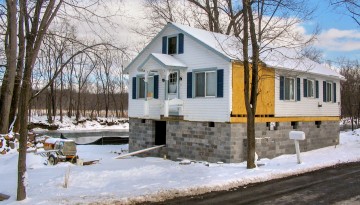
In flood-prone areas of the Hudson River valley in New York state, census areas with more white and affluent home owners tend to file a higher percentage of flood insurance claims than lower-income, minority residents, according to a new study. 

Molecular study could improve climate change modeling

A team of chemists, including Cornell’s Paul Houston, has unveiled the mechanics involved in the interplay between sunlight and molecules known as “roaming reactions,” which could improve climate change modeling.

$7.2M grant funds exploratory research into Earth Source Heat

Cornell has secured a U.S. Department of Energy grant, expected to total about $7.2 million, which will fund exploratory research to help verify the feasibility of using a novel geothermal energy system to heat its campus buildings.

Baltimore, Bullock’s orioles will retain separate identities

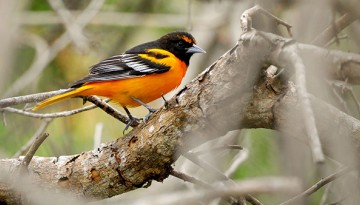
The debate is over: According to scientists from the Cornell Lab of Ornithology, Bullock’s and Baltimore orioles will remain separate species, despite hybridization where their ranges meet in the Great Plains.

Report fosters ag industry climate-change tracking

Cornell’s Art DeGaetano is one of nine scientists to co-author a USDA report to help the nation’s farmers and commercial agricultural managers reduce risk in the face of climate change.

Benjamin Houlton named dean of Agriculture and Life Sciences

Benjamin Houlton, director of the John Muir Institute of the Environment and professor of global environmental studies at the University of California, Davis, has been named the Ronald P. Lynch Dean, effective Oct. 1.