Cornell is a global leader in sustainability and climate change research, teaching and engagement. Our campuses are living laboratories for developing, testing and implementing solutions that address these most challenging issues.
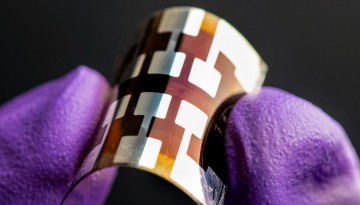

Perovskite mineral supports solar-energy sustainability

When it comes to the future of solar energy cells, say farewell to silicon, and hello to calcium titanium oxide – the compound mineral better known as perovskite.

(Virtual) Things to Do, July 31-Aug. 21, 2020

Virtual events at Cornell include a lecture on challenges endangering freshwater fish, an conference on worker and community concerns in safely returning to work in New York City, an international linguistics meeting and an introduction to religious and spiritual life on campus.

Harry Greene and the rewilding of Rancho Cascabel

Herpetologist Harry Greene and evolutionary biologist Kelly Zamudio have an unexpected opportunity during the COVID-19 pandemic to “rewild” their newly purchased land in Texas, restoring its diverse, biological richness.

New soil models may ease atmospheric CO2, climate change

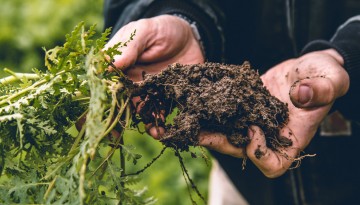
In Nature Geoscience, Cornell’s Johannes Lehmann says that scientists should develop new models that accurately reflect soil carbon-storage processes to draw down atmospheric carbon dioxide.

Small-farm tech reduces deforestation, climate change

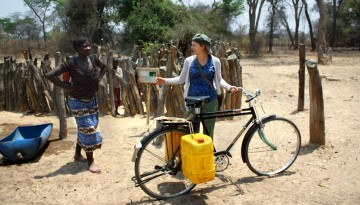
Small farms in Zambia that use the latest hybrid seed for maize, help reduce deforestation and tackle climate change in a new Cornell study.

In Peruvian Amazon, a celebration of birds takes flight

Two Lab of Ornithology staff members created a science project on birds with community leaders, teachers and students in the Peruvian Amazon. The result? A flowering of community interest beyond anything they could have imagined.

Study identifies spread of bee disease via flowers

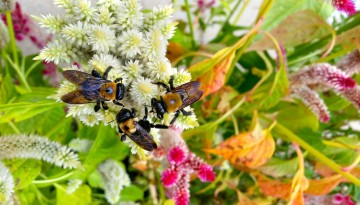
One in 11 flowers carries disease-causing parasites known to contribute to bee declines, according to a Cornell study that identifies how flowers act as hubs for transmitting diseases to bees and other pollinators.

USDA funds study of dairy cattle’s environmental footprint

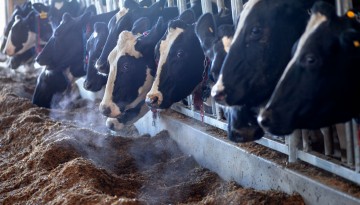
A new open-source computer model being developed by a Cornell-led interdisciplinary team will simulate production and quantify the environmental effects of management decisions made on dairy farms.

$10B needed to avert COVID-19 hunger crisis, experts say

Due to the COVID-19 pandemic, $10 billion is urgently needed to prevent millions more people becoming food insecure, according to a new report by Cornell and international partners.