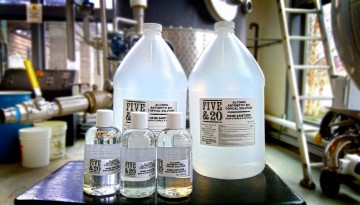
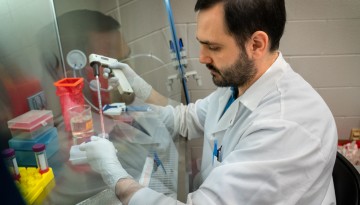
In the battle to keep workers safe during the COVID-19 pandemic, nearly 40 craft distilleries in New York state have turned to making hand sanitizer with guidance from Cornell AgriTech.
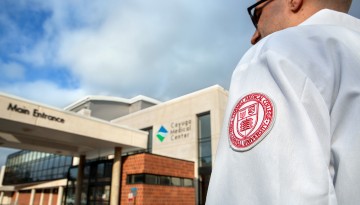
Two professors have spearheaded a project to get donated tablet computers to patients at Cayuga Medical Center who are isolated from loved ones because of COVID-19.
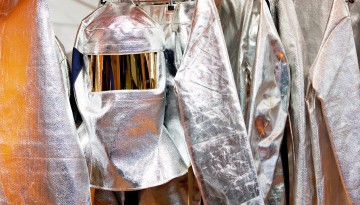
Cornell researchers in fiber science and apparel design are putting their knowledge and energies into keeping health care personnel on the front lines of the COVID-19 pandemic from becoming patients themselves.
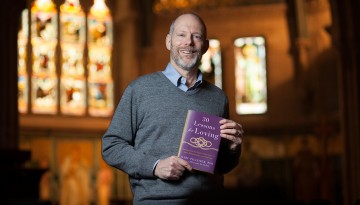
When gerontologist Karl Pillemer began interviewing the oldest Americans in 2003, he could not have known he would one day be sharing their advice on living through crisis in the midst of a global pandemic.
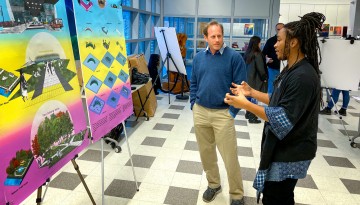
Cornell graduate students studying landscape architecture examined Ossining, New York – a town on the rising Hudson River last fall, and presented ideas for climate-change adaptation.