An app that would maximize profit and minimize food spoilage and loss across the agriculture supply chain was named the grand prize winner in the third annual Cornell Institute for Digital Agriculture Hackathon.
The College of Veterinary Medicine has created a brand-new scholarship to encourage under-represented high school students to explore veterinary medicine by attending the Cornell University Summer College course, Veterinary Medicine: Small Animal Practice.
The Office of Academic Integration has awarded $750,000 in seed grants to 10 studies ranging from refugee health and legal rights, to a vaccine treating fentanyl addiction and overdose, to pancreatic cancer and antibiotic tolerance.
Future pandemics can be averted if the world’s governments eliminate unnecessary wildlife trade and adopt holistic approaches, according to experts at a Feb. 23 virtual conference.
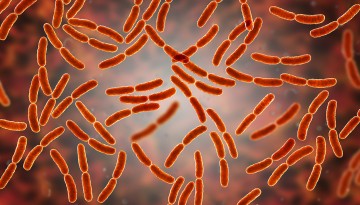
The discovery of an “Achilles’ heel” in a type of gut bacteria that causes intestinal inflammation in patients with Crohn’s disease may lead to more targeted therapies for the difficult-to-treat disease, researchers have found.
Cornell faculty and students are teaming up with community partners in Tompkins County to address opioid use, increase food security, build a greener construction industry and share stories of Ithaca’s Black history pioneers.
Cornell and WWF will host a virtual conference Feb. 23 focused on the link between humans and wildlife, and the subsequent prevention of future pandemics.
As CCSS fellows, a dozen faculty members representing seven colleges and schools will pursue ambitious research projects on issues ranging from political polarization to environmental justice.
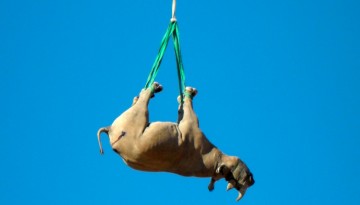
When moving endangered rhinoceroses in an effort to save the species, hanging them upside down by their feet is the safest way to go, new research from College of Veterinary Medicine has found.