The class comprises 107 newly minted veterinarians with career plans that range from emergency medicine to dairy practices and laboratory animal residencies.
A Cornell-led research team’s improved cell therapy device effectively secreted insulin and controlled blood sugar in diabetic mice for up to six months – showing promise for the possibility of an effective, complication-free treatment for Type 1 diabetes, a chronic disease with no known cure.
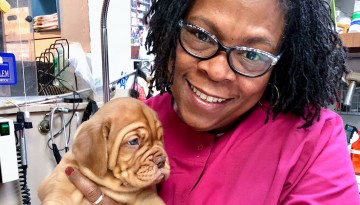
Dr. Julie Butler, D.V.M. ’83, cared for Harlem and its pets for 30 years. Her death due to COVID-19 inspired the College of Veterinary Medicine to establish a scholarship in her name.
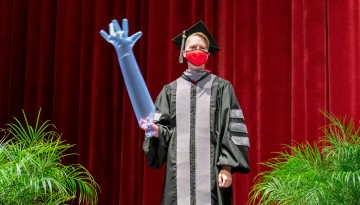
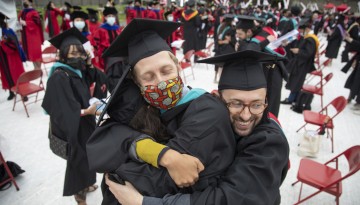
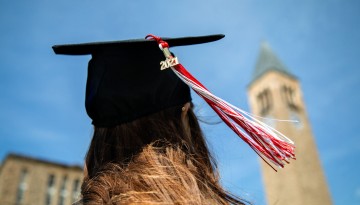
Four Commencement ceremonies were held May 29-30, spaced out to meet health guidelines. Though campus was less crowded, the campus mood was warm and celebratory.
The cardiology team at the Cornell University Hospital for Animals performed an unusual procedure to bring Buttercup, an 11-month-old Maltese-yorkie mix puppy with a rare congenital defect, back to good health.
This weekend’s ceremonies for Cornell’s 153rd graduating class will look different due to COVID-19 safety precautions and protocols – but they promise to be as memorable and meaningful as ever.
Drs. Sohyoung Lee and Abrrey Monreal, postdoctoral researchers in the Department of Microbiology and Immunology, earned research awards for their work in typhoid toxin and peptide therapy research.