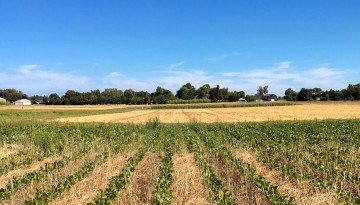
Organic crop farmers in the Northeast and Upper Midwest are facing an increasing number of challenges related to climate change and invasive pests, but a $2 million grant from the USDA will help them find sustainable solutions.
On the eve of Election Day, Vice President for University Relations Joel Malina reminded members of the campus community of all the voting resources available to them, including information about polling places and public transportation.
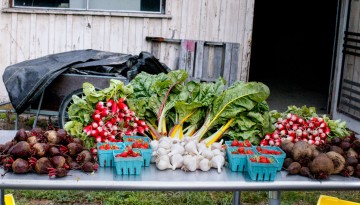
This year, with many people struggling due to COVID-19, Cornell faculty, staff and students facilitated the donation of more than 37 tons of food from farms run by Cornell AES to feed families in need.
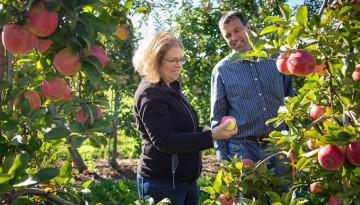
A $779,000 grant from the U.S. Department of Agriculture’s National Institute of Food Agriculture will help Cornell researchers prevent fire blight disease in apples and pears before it starts.
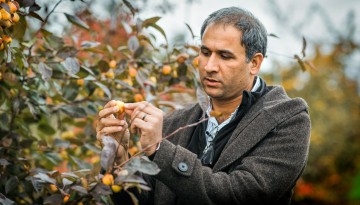
The Plant Science Research Network presents an action plan for its researchers to maximize their impact on pressing global issues such as human health and climate change.
Cornell administrators announced that the university would be changing its COVID-19 alert level back to “New Normal,” citing a low positivity rate and the success of the surveillance testing program.
President Martha E. Pollack urged the Cornell community to be hyper-vigilant in its public health practices as the university follows New York state guidelines for colleges and universities during the pandemic.
This fall, apple lovers can look forward to three new varieties from the oldest apple breeding program in the U.S. — located at Cornell AgriTech in Geneva, New York, part of the College of Agriculture and Life Sciences.