A research collaboration has found an efficient way to expand the collective behavior of swarming microrobots: Mixing different sizes of the micron-scale ‘bots enables them to self-organize into diverse patterns that can be manipulated when a magnetic field is applied.
The smallest and shallowest bodies of water exhibit the greatest variability of greenhouse gas emissions over time, according to a paper that could help improve the accuracy of climate models.
Steve Shiffrin, the Charles Frank Reavis Sr. Professor of Law, Emeritus, a renowned legal scholar widely recognized for his contributions to the field of constitutional law, particularly the First Amendment, died May 29 in Ithaca.
Recent uncertainties regarding the legal status of the DACA program underscore the urgency for policymakers to reassess long-standing restrictions on government-sponsored health care subsidies for immigrants.
On June 2, the Ithaca theater organization Civic Ensemble will premiere “Fertile Grounds,” a community-based play that invites the audience onto a fictional farming cooperative involving people of color to explore the relationship of grief, community and wellness.
The HEXT workshop empowers students to become productive members of the CHESS user community by combining informative lectures, hands-on demonstrations, and instruction in proposal writing. With its focus on attracting diverse participants and providing practical training, the HEXT workshop sets the stage for a more inclusive and vibrant synchrotron research landscape.
The 2023 Free Summer Events Series at Cornell will offer a fresh mix of entertainment and education open to the public. Presented by the School of Continuing Education (SCE), the events take place at 7 p.m. on select Wednesdays and Fridays, July 7 through July 28.
Dr. Robert A. Harrington, a cardiologist and chair of the Department of Medicine at Stanford University, has been named the Stephen and Suzanne Weiss Dean of Weill Cornell Medicine and provost for medical affairs of Cornell University.
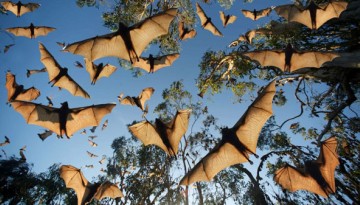
A Cornell webinar June 26 will discuss how protection and restoration of natural habitats can prevent pandemics while addressing climate change and biodiversity loss.
A research team co-led by Cornell found that for schools without the resources to conduct learning analytics to help students succeed, modeling based on data from other institutions can work as well as local modeling, without sacrificing fairness.