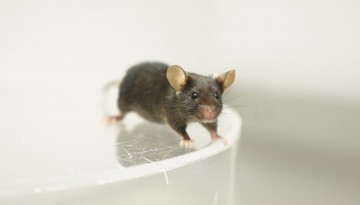
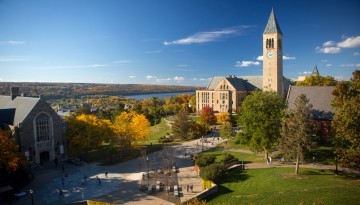
Ten Cornell postdoctoral researchers who plan to harness the power of artificial intelligence (AI) in areas like materials discovery, physics, biological sciences and sustainability sciences have been named Eric and Wendy Schmidt AI in Science Postdoctoral Fellows, a Schmidt Futures program.
The documentary, which will debut nationwide on PBS March 21, illustrates the full scope of his career set against the backdrop of his final years of service presiding over the nation’s response to the COVID-19 pandemic.
An all-day Cornell conference open to the public will help hiring professionals and others learn ways to create a more inclusive workforce – thinking beyond the traditional definitions of that phrase.
Graduating medical students in the Weill Cornell Medical College Class of 2023 learned on national Match Day where they will be doing their internship and residency training – setting the stage for the next several years of their medical careers and lives.
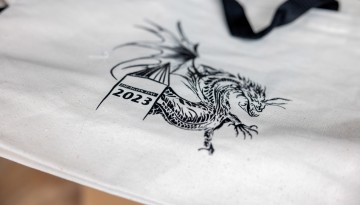
During the annual parade on March 31, first-year architecture students plan to unveil a sustainably constructed dragon “skinned” in colorful fabric that will be removed as part of a finale reveal.
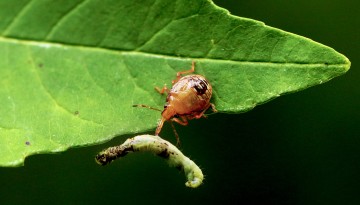
Moderate levels of artificial light at night – like the fixture illuminating your backyard – bring more caterpillar predators and reduce the chance that these lepidoptera larvae grow up to become moths.
Launched in 1973, today the Jewish Studies program includes four endowed faculty positions, 28 affiliated faculty from more than 15 departments and nearly 40 courses offered each year.
Cornell’s ninth Giving Day united 18,296 donors who live in nearly 100 countries to raise $13,043,165 in just 24 hours, smashing records from previous years.
Millions of people in Myanmar have risen up against military rule since a coup d’état in February 2021 removed the country’s democratically elected leader from office — the topic of a March 27 panel discussion on “People in Revolt: The State of the Anti-Military Movement in Myanmar.”