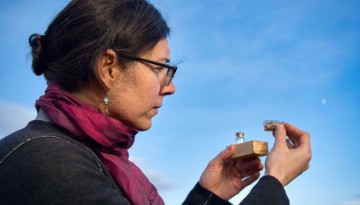
Acinetobacter pittii (A. pittii), a type of bacteria, is evolving to become more resistant to antibiotics and is finding ways to survive in the harsh environment of the International Space Station, according to new research led by Weill Cornell Medicine scientists.
In “Losing Istanbul,” Mostafa Minawi gives the reader a street-level understanding of what it was like to live through the final decades of the ailing Ottoman Empire – especially for members of the Arab-Ottoman community of Istanbul.
Revealing processes through which workplace inequality emerges, and how workers and their advocates respond, is at the heart of Professor Shannon Gleeson’s scholarship.
The “Good Jobs for All?” summit focused on barriers faced by workers in Ithaca, where ILR faculty, students and community members have been investigating joblessness, wage inequality and related issues.
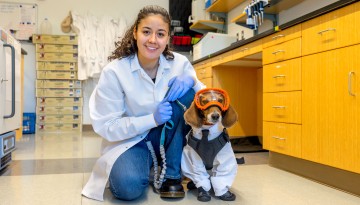
An apple a day may keep the veterinarian away. Juice, pulp and other waste from Empire apples, when injected into chicken eggs before hatching, show signs of boosting the animal’s health.
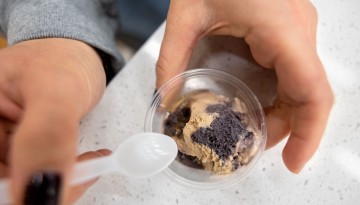
For their ice cream final project, students in Cornell’s introductory food science class – this year sweetened by a Renaissance theme – harkened back 500 years to explore flavors from antiquity.
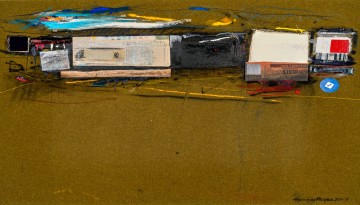
David Kimelberg, J.D. ’98, a member of the Seneca Nation, is helping Indigenous artists from around the world achieve recognition through his gallery in Buffalo, New York.
Cornell doctoral candidate Bethany Jorgensen co-authored the 2022 Lanzarote Declaration – a synthesized wish list of action in anticipation of a U.N. treaty on global plastic pollution in 2024.