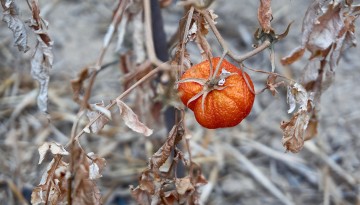
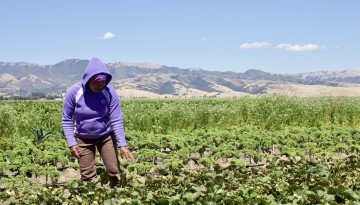
Nexus Scholars working this summer with Juno Salazar Parreñas are studying how human health is intricately connected to the health of animals, plants and the environment.
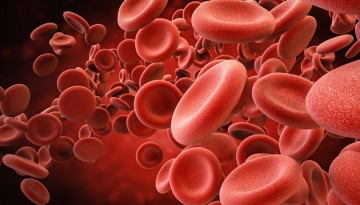
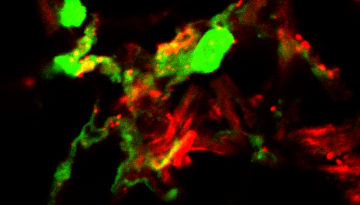
Antibodies that summon white blood cells may play an important role in protecting infants from congenital infection with human cytomegalovirus, according to a study led by an investigator at Weill Cornell Medicine and NewYork-Presbyterian.
The weeklong summer workshop aims to inspire underrepresented students to pursue graduate studies in tech fields such as computing and information science.
New research by Cornell engineers provides a blueprint for developing roads equipped with energy storage systems that can wirelessly charge electric vehicles.
In the quest to miniaturize camera lenses and other optical systems, Cornell researchers have, for the first time, defined the fundamental and practical limits of spaceplates.
ILR Senior Economics Adviser Erica Groshen co-edited a special edition of the Harvard Data Science Review addressing changes made by the U.S. Census Bureau.
Extreme heat threatens to reverse progress made in combating early child malnutrition as the planet continues to warm, according to Cornell research focused on five West African nations.
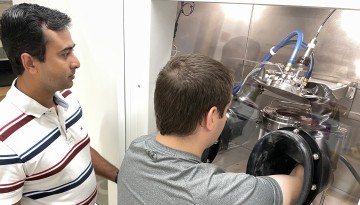
A new metal organic chemical vapor deposition system will be used to engineer and study gallium oxide, an important material for the future of high-powered electronics.
Larger organic farms operate more like conventional farms and use fewer sustainable practices than smaller organic farms, according to a new study that also provides insight into how to increase adoption of sustainable practices.
Small proteins that direct immune cells toward sites of infection can also form DNA-bound nanoparticles that can induce chronic, dysfunctional immune responses, according to a new study.
The awards honored excellence among the 1,000 staff who keep the university running, in areas from trades and building care to finance, engineering, transportation and maintenance.