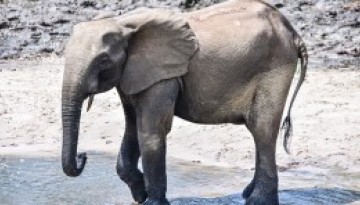
Because forest elephants are one of the world's slowest reproducing mammals, it will take almost a century for them to recover from the intense poaching they have suffered since 2002, a study finds.
Warm springs in the Great Lakes and Northeast regions – which create havoc for agriculture – may start earlier by mid-century if greenhouse gas emissions are not reduced, says a new study in Climate Dynamics.
A new master's degree in accounting will be offered at the Samuel Curtis Johnson Graduate School of Management in fall 2017. The College of Business' first new degree, the program is designed for maximum flexibility.
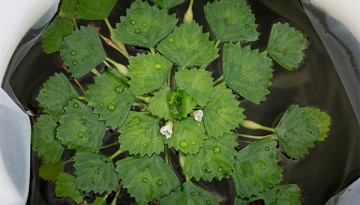
Bernd Blossey is close to the end of a research program that identified a leaf beetle, Galerucella birmanica, which feasts on water chestnuts, as the perfect predator to help clear New York's waters.
The Institute for the Social Sciences' newest project, China's Cities: Divisions and Plans, is an interdisciplinary collaborative effort among Cornell social scientists.
After a two-year strategic planning and engagement process, Cornell Plantations is looking to rebrand as Cornell Botanic Gardens, which will better reflect its mission, says Plantations Director Christopher Dunn.
If you want to go green, get involved: Tour tables at Fall Fest 2016, an exposition of more than 30 student sustainability groups who are recruiting new members, Aug. 28 on North Campus.